In a world spinning faster by the day, there’s something quietly radical about stepping outside and harvesting dinner with your own hands.
Not from a store. Not from a plastic-wrapped tray. But from the earth you’ve tended, under your own sky. Reclaim the power and satisfaction you never even knew was missing.
Gardening is more than a weekend hobby. It’s personal food sovereignty. And it’s surprisingly accessible. Let’s dig deep, beyond the typical “it’s healthy and saves money” line, and explore the real, often unexpected, benefits of growing your own food.Best restaurants near me
Via Pexels
1. You Start to Eat Like the Weather
You have heard it time and time again, seasonal is better. When you grow yourself, the seasonal best lands on your plate automatically. This seasonal awareness reconnects you with natural cycles most of us have tuned out. It’s not just poetic, but mostly it’s practical. Seasonal produce is often more nutritious, more flavorful, and less demanding on natural resources.
You will quickly learn that when you’ve waited three months for that one perfect melon, you don’t take it for granted.
2. Your Food Tells a Story
A store-bought potato is anonymous. Your potato, the one that sprouted in the dark corner of the kitchen and got a second chance in your raised bed, is a character. You watched it break ground, fight off pests, and thicken underground.Best restaurants near me
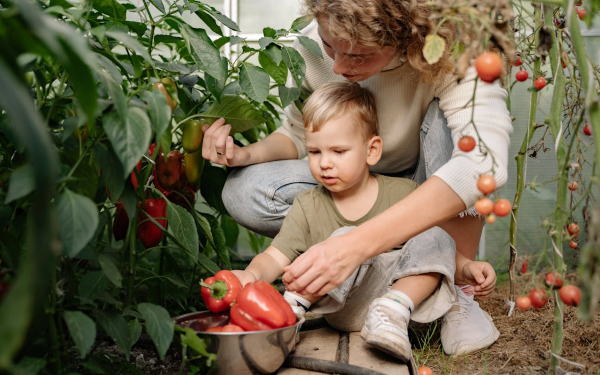
This changes the way you relate to food. It becomes part of your story. Children raised around this process often grow up more open to vegetables and more conscious of waste. They’ve seen the effort behind a single bean sprout. The pride in serving guests a salad you literally pulled from your yard an hour ago is the ultimate prize.
3. You Build a Kind of Quiet Resilience
Let’s talk systems. The global food supply chain is vast, fragile, and deeply dependent on fossil fuels. It’s also vulnerable to disruptions, weather extremes, pandemics, and war. Growing your own food won’t make you immune to these issues, but it can provide a safety net. Even a small garden can supplement your meals, reduce grocery runs, and serve as a buffer during times of uncertainty.
There’s also emotional resilience in gardening. In an unpredictable world, there’s comfort in knowing that with sunlight, soil, and a little care, something will grow.Best restaurants near me
4. Gardens Make Better Neighbours
There’s something inherently generous about a homegrown garden. Maybe it’s the zucchini glut, maybe it’s the thrill of sharing. But gardens spark conversations. They offer reasons to connect. A basket of surplus herbs becomes a way to the neighbour you barely know.
Community gardens take this even further. They transform neglected land into places of beauty, purpose, and shared abundance. In cities, these spaces offer green reprieve and fresh produce in neighbourhoods often defined by concrete and corner stores. Growing food doesn’t just nourish you; it strengthens the social fabric.
5. You Learn to Work With Nature, Not Against It
One of the overlooked rewards of growing your own food is how it trains you to see nature as a collaborator rather than a problem to solve. You begin to notice patterns like how weeds compete with crops, how soil responds to care, and how pests behave depending on the season. And instead of reacting with chemicals or brute force, you find better ways.Best restaurants near me
Yes, you’ll need a good weed eater for overgrowth now and again, especially if you’re managing borders or larger spaces. Other solutions you’ll learn involve over-cropping, mulching, and companion planting; these become part of your toolkit. You stop fighting the land and start working with it.
This shift in mindset is empowering. Food production becomes stewardship. And once you’ve felt that, it’s hard to go back to relying on anonymous produce flown in from elsewhere. Growing your own food means growing your own understanding of ecology, and that’s a benefit few store shelves can offer.Best restaurants near me
Via Pexels
6. You Start to See Waste Differently
Compost becomes a life philosophy. Growing food teaches you that nothing really goes to waste. The carrot tops you used to toss? Now they’re soup stock. The kitchen scraps? They feed the soil that feeds you.
This circular way of thinking has a ripple effect. Suddenly, you’re questioning packaging, single-use plastics, and water waste. Your garden becomes a microcosm of a better system, closed-loop, regenerative, and respectful.
7. It’s Not Always Pretty, and That’s a Good Thing
Let’s dismantle a myth: gardens aren’t always Pinterest-perfect. Sometimes the lettuce bolts, the tomatoes split, or the broccoli gets chewed to lace. And yet, this is where the real learning happens. Mistakes aren’t failures; they’re compost for your experience. You begin to see beauty in crooked carrots and tomatoes that taste better than they look. There’s an honesty to this process. Aesthetics are thrown out the door. It’s about food that’s alive, imperfect, and deeply yours.Best restaurants near me
8. Micro-Economy, Macro Impact
Yes, growing your own food can save money, but not always in obvious ways. The upfront costs of soil, seeds, and tools may add up. But over time, a productive garden reduces your dependency on a system that often charges more for less. You also get to sidestep some of the hidden costs of industrial agriculture, transport emissions, pesticide residues, and exploitative labour practices.
Every tomato you grow is one less tomato shipped across the country in a diesel truck. Multiply that by a community, and the impact grows beyond your backyard.
9. Children Learn With Their Hands in the Dirt
Kids who grow kale are more likely to eat kale. Gardening introduces children to science, responsibility, and patience. They learn that food doesn’t come from a store, but from an ecosystem. They witness failure and resilience firsthand, in a way that no textbook can replicate. It’s education rooted in experience, and it often sticks.Best restaurants near me
10. It Just Feels Good
There’s a reason therapists are prescribing gardening for anxiety and depression. It offers physical activity, exposure to natural light, and a break from screens. The act of nurturing something, even a single tomato plant, can anchor us in the present. There’s satisfaction in the ritual: checking the soil, spotting the first sprout, harvesting with your hands. It’s tangible, slow, and deeply rewarding.
In a world where most things demand urgency, gardens ask for patience. And that might just be exactly what we need.
Final Thoughts: More Than a Trend
Growing your own food isn’t about becoming self-sufficient overnight. It’s not a prepper’s fantasy or a passing fad. It’s a commitment to better food, deeper roots, and a more resilient future. It starts small. A pot of herbs on a windowsill. A tomato vine on the balcony. A raised bed in a backyard. But like all good things, it grows. And before you know it, your garden becomes more than just a place to grow food. It becomes a place to grow yourself.Best restaurants near me