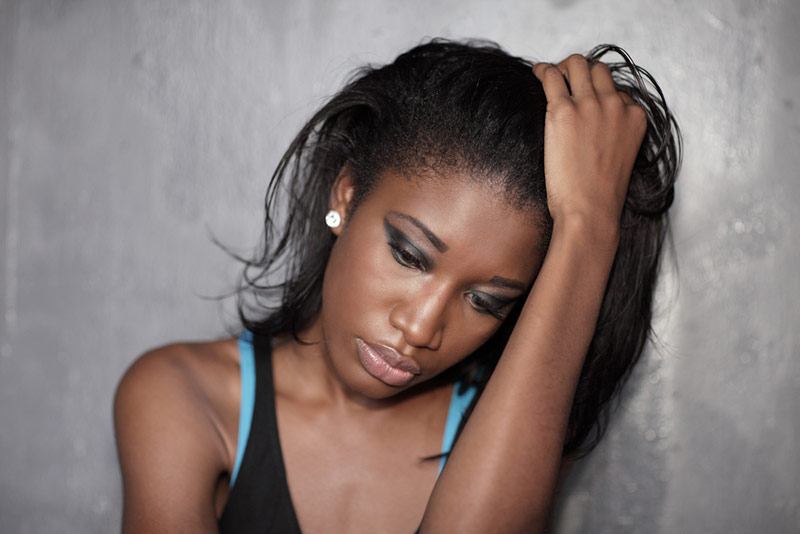
From the outside, she’s holding it together. There’s a carpool to run, deadlines to meet, a birthday party to plan. She laughs at the right moments, posts the smiling family photo, and says everything’s fine. But underneath all that composure, something is slipping. A glass of wine after dinner became two. The anxiety meds don’t just take the edge off anymore. She tells herself it’s manageable, that it’s not like she’s those people.
More and more women are falling into patterns of substance use that don’t match the typical image of addiction. It isn’t the woman on the corner or in the mugshot—it’s the one answering work emails at midnight, the one who volunteers for every school fundraiser, the one who’s exhausted beyond repair. And far too often, she’s doing it alone.
Why Women’s Addictions Often Go Undetected
Addiction doesn’t always announce itself loudly. In women, it can hide behind high-functioning behaviour. A mom who always shows up might still be numbing herself at night. A professional who seems on top of her game could be slowly spiralling behind closed doors. The signs get missed because the exterior doesn’t fit the stereotype. Society is quick to judge when someone falls apart visibly. It’s less comfortable recognising how many people are unravelling in silence.
There’s also the issue of shame. Women are conditioned to keep it together. The pressure to be the nurturing mother, the reliable wife, the productive worker—it leaves little room for admitting there’s a problem. Many women are terrified of being seen as weak or irresponsible. They fear losing custody, being labelled unfit, or simply not being believed.
So, they keep it buried. They rationalise the behaviour, minimise the warning signs, and convince themselves they’re coping. But the truth is, substance use doesn’t need to look catastrophic to be dangerous. In fact, the quiet kind can be even more deadly because no one sees it coming.
The Emotional Triggers No One Wants to Talk About
For a lot of women, addiction doesn’t start with a party. It starts with pain. Trauma, abuse, betrayal, divorce, grief—these experiences cut deep and leave wounds that often don’t heal cleanly. Add in chronic stress, hormonal shifts, sleep deprivation, or untreated mental health struggles, and it becomes a recipe for slow erosion.
Women tend to internalise pain. They don’t lash out—they absorb it. Over time, that emotional weight becomes unbearable. Substances offer escape, even if just temporarily. Whether it’s wine, pills, or something harder, the goal is the same: numb the ache, silence the mind, feel something different.
But that relief is short-lived. What starts as a crutch becomes a dependency. The cycle tightens. Guilt and shame make it harder to ask for help. And before long, the pain that drove the addiction in the first place is joined by an entirely new layer of damage.
The process of healing isn’t just about quitting. It’s about facing everything that drove the behaviour in the first place. Recovery often requires women to let go of the past, not in the sense of forgetting, but in the sense of no longer carrying it alone. That work is heavy and slow, but it’s also the part that makes freedom possible.
Why Traditional Rehab Doesn’t Always Work for Women
Treatment isn’t one-size-fits-all, but it’s often treated that way. Many rehab centres were originally designed with male patients in mind, focusing on detox and abstinence without accounting for the unique ways women experience addiction. What works for a 30-year-old man might not work at all for a 42-year-old mother of three who’s dealing with postpartum trauma and trying to hold a marriage together.
Women need care that goes deeper than the surface. They need space to talk about motherhood, body image, assault, anxiety, family pressure—all the layers that complicate their relationship with substances. Programs that fail to include these conversations miss the mark entirely.
Environment matters, too. Some women feel safer and more supported when they’re away from high-profile, image-obsessed settings. For someone who feels overwhelmed by the performative culture that sometimes surrounds recovery in luxury destinations, a Tennessee, Oregon, or West Virginia drug treatment centre might be a better fit than one in California or Florida. These quieter settings can offer a sense of safety and focus that women in crisis often desperately need.
It’s also important to understand that recovery isn’t linear. There are setbacks. There’s relapse. There’s disappointment. But none of that means failure. It means a woman is still in the fight.
The Rise of “Casual” Addiction and What It’s Doing to Women
There’s a particular danger in the kind of addiction that looks socially acceptable. Think of the mom who jokes about needing wine to get through bedtime. Or the group chat that swaps pill recommendations like they’re skincare tips. It’s all said with a laugh, but underneath that humour is a growing normalisation of dependency.
Social media has only amplified this. Women scroll through posts that make substance use seem trendy or harmless. The wine mom memes, the “treat yourself” culture, the wellness influencers microdosing as a lifestyle—it sends the message that this is just part of modern life. That if you’re not doing it, you’re the odd one out.
But behind the screens, the reality is much darker. Women are overdosing at increasing rates. ER visits are up. Mental health crises are exploding. And many of these cases started with behaviours that didn’t seem alarming at the time. Addiction often creeps in quietly, disguised as routine. That’s what makes it so dangerous.
Changing this pattern will require more than awareness—it’ll take honesty. Women have to be allowed to say they’re not okay without fearing judgment or punishment. There has to be more space for raw truth and less pressure to keep up appearances.
When Real Help Starts to Work
Healing doesn’t look the same for everyone. For some, it begins in a therapist’s office. For others, it starts with a friend who finally says, “I see what’s happening, and I’m here.” The point isn’t where the help comes from—it’s that it feels safe and real. That’s the difference between a woman staying silent or stepping forward.
Support needs to feel human. It needs to come from a place of understanding, not superiority. When treatment acknowledges the full picture—emotions, family dynamics, trauma history, the mental load of being a woman in this world—it becomes something that actually works. Not just for a week. But for the long run.
There’s power in finally being able to breathe without hiding. Feeling clear-headed again. In remembering who you were before substances stepped in. Recovery isn’t a straight line, and it isn’t always pretty. But it’s absolutely possible. And it’s worth it.
Women don’t need more pressure. They need space to tell the truth without losing everything. That’s how real change starts—by making it safe to be seen, even when the story isn’t polished. Especially then.