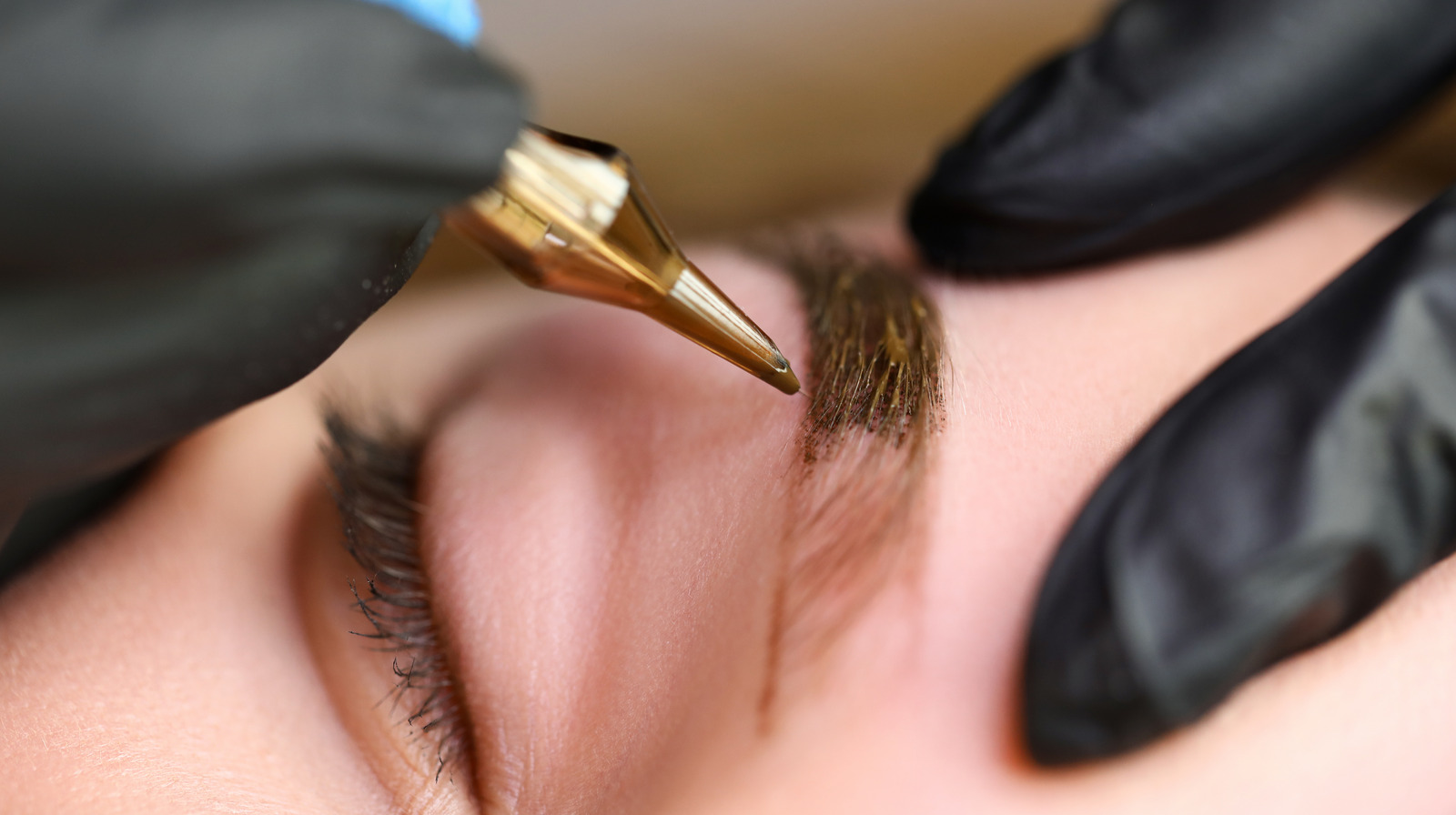
Taking the first step in brow care can feel uncertain if it’s something you’ve never done before. The right time to start brow care is as soon as you notice changes in your brow shape, fullness, or simply want to maintain a well-groomed appearance. Whether it’s due to natural thinning, over-plucking, or just wanting a refreshed look, beginning now helps prevent future concerns.
That’s when incorporating something like a serum for thicker brows becomes more of a maintenance step than a corrective one. It’s easier to support natural density early than to rebuild it after significant thinning. Some people respond better to gradual care, especially if brows have been stressed by tweezing or waxing. Consistency tends to matter more than any single product or method.
Understanding When to Begin Brow Care
Starting brow care for the first time involves considering personal hair growth, facial structure, and grooming preferences. Brow specialists often recommend identifying individual needs and understanding what triggers the need for careful maintenance.
Importance of Early Brow Care
Early brow care helps maintain natural brow shape and encourages healthy brow growth over time. Developing good habits prevents the need for corrective techniques later. Simple steps such as gentle cleansing, light moisturising, and avoiding over-plucking support optimal hair health from the start.
Adopting a brow care routine reduces the risk of patchiness or damage from harsh grooming tools. For teenagers and young adults, early attention to brow care can improve the results of shaping and make professional appointments less stressful. Even minimal grooming can lay the foundation for balanced, well-shaped brows as facial features mature.
Factors That Influence the Right Timing
The best time to begin brow care depends on several key factors. Genetics play a role—some people experience early, thick brow growth requiring attention during adolescence. Others may not see substantial changes until their twenties.
Skin sensitivity, personal grooming habits, and the rate of brow growth all contribute to selecting the right moment. Environmental influences such as sun exposure, medication, or health changes may alter brow appearance and prompt earlier care. Discussing concerns with a brow specialist ensures techniques and timing match individual needs. Cultural expectations and beauty trends can also guide personal decisions, but it’s important to focus on what feels comfortable. Regular assessment of brow shape and growth allows for adjustments without unnecessary over-grooming or neglect.
Getting Started With Your First Brow Care Routine
A well-structured brow care routine starts with choosing the right tools, understanding your natural brow shape, and learning simple grooming techniques. Investing time in these basics builds a solid foundation for effective brow maintenance.
Essential Tools and Products for Beginners
A beginner-friendly brow kit should contain a few core items:
- Tweezers: Precision tweezers help remove stray hairs.
- Spoolie brush: This tool grooms brows and blends products.
- Brow scissors: Small scissors trim long hairs for a neat shape.
- Brow pencil or brow pen: Fills sparse areas and defines the brow line.
- Tinted brow gel: This adds fullness and holds brows in place.
- Optional: A brow brush for blending and separating hairs.
When shopping, look for products designed for control and ease of use. Many first-timers find it helpful to use a tinted brow gel and brow pen for a fuller look with minimal effort. Good grooming tools can prevent over-plucking and keep eyebrows tidy.
Basic Brow Grooming Techniques
Start by brushing your eyebrows upward with a spoolie. This highlights long hairs and shows the real shape. For tweezing, grab only stray hairs outside your brow’s defined outline. Focus on maintaining symmetry and avoid tweezing above the brow line, as this can ruin the natural arch. Trim overgrown hairs with brow scissors by combing hairs upward and snipping only the tips.
Add definition using a brow pencil or pen, creating hair-like strokes in sparse areas. Finish with brow gel for hold. For a more polished look, consider using concealer to highlight the brow bone and hide remaining stubble.
Conclusion
Starting brow care is a straightforward process for anyone, regardless of experience. It simply requires some basic research and a commitment to a consistent routine. A few essential steps make a big difference—cleansing the area, understanding brow goals, and using the right products. Products like gentle brow serums or professional shaping methods can help, depending on individual needs. Anyone new to brow care is encouraged to begin gradually and listen to their skin’s response. With the right approach, achieving healthy and well-groomed brows is accessible to everyone.