Months after the Ghana Immigration Service (GIS) launched a widely praised operation to deport undocumented beggars from Accra, many have returned exposing serious flaws in enforcement and border control.
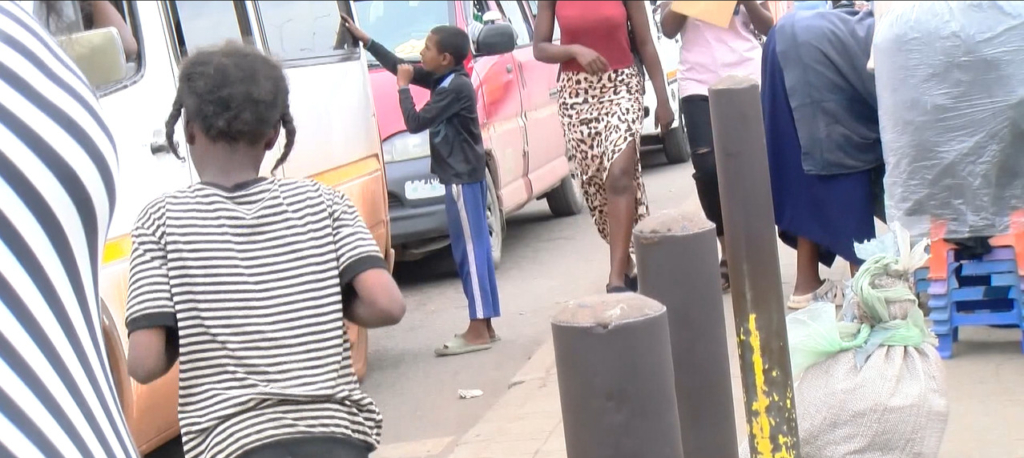
Despite a major swoop earlier this year that saw dozens of foreign nationals repatriated, recent surveys show beggars, including women and children, are once again occupying major intersections such as Obetsebi Lamptey Circle, Lapaz, and the 37 Station.
Their return has reignited public frustration and concerns about safety.
“These Niger nationals were deported, but they’re back causing chaos for both drivers and pedestrians,” said one commercial driver.
“Children as young as one or two years cross roads without supervision. It’s a recipe for disaster.”
A trader at 37 military bus stop echoed these concerns, accusing some immigration officers of accepting bribes to allow undocumented individuals into the country.
“They have no legal business here. If they came in illegally, they should go back.”
Some believe the initial sweep was incomplete.
“Not all of them were deported, many simply hid and waited for things to cool down,” another driver claimed.
According to GIS data from 2024, most deportees were from neighbouring countries like Niger and Nigeria pointing to a wider regional migration challenge.
Experts argue that periodic raids are not enough.
Without tighter border security, sustained enforcement, and solutions that address the root causes of migration, such as poverty and instability, the cycle will continue.
The repeated return of undocumented beggars raises urgent questions about the effectiveness of current policies and how long Accra’s streets can withstand the strain.