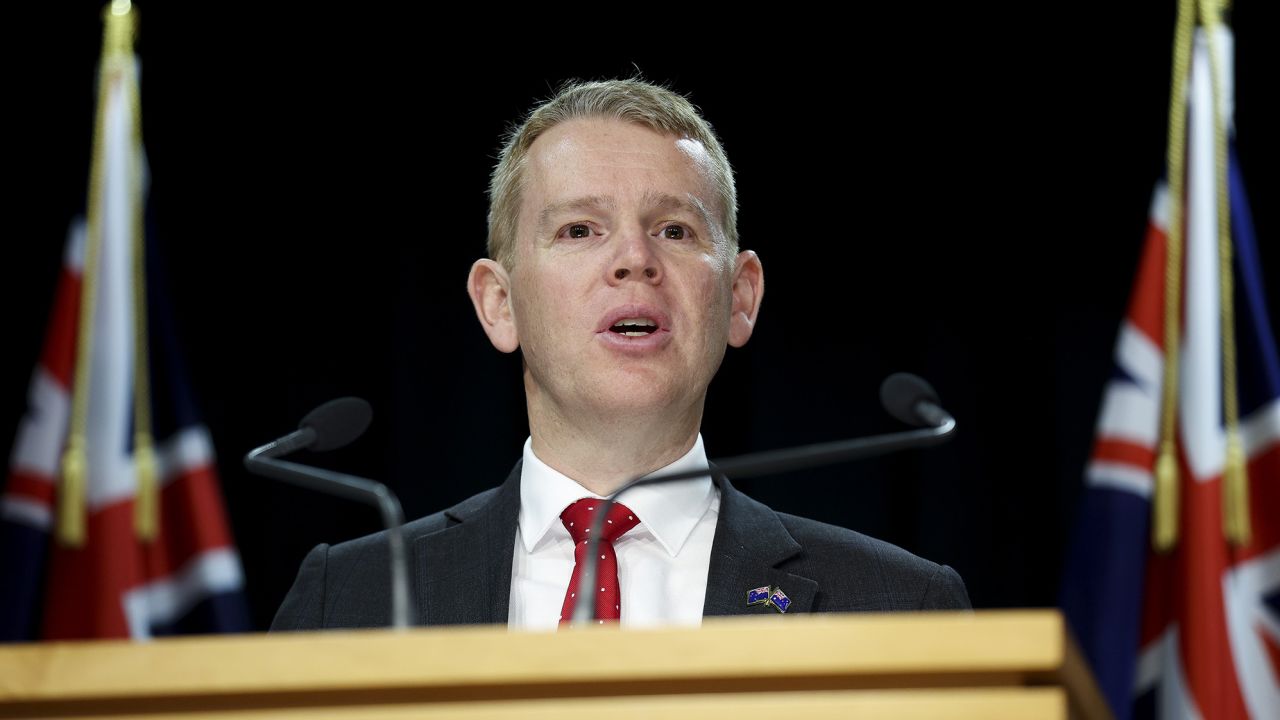
New Zealand Prime Minister Chris Hipkins has conceded his Labour party lost Saturday’s election, as voters punished the government and took the country rightwards nine months after his predecessor Jacinda Ardern suddenly resigned.
The rising cost of living dominated campaigning with voters New Zealanders ending six years of Labour Party rule, the latter half of which was dominated by the country’s strict response to the coronavirus pandemic that successfully kept infections low but battered the economy.
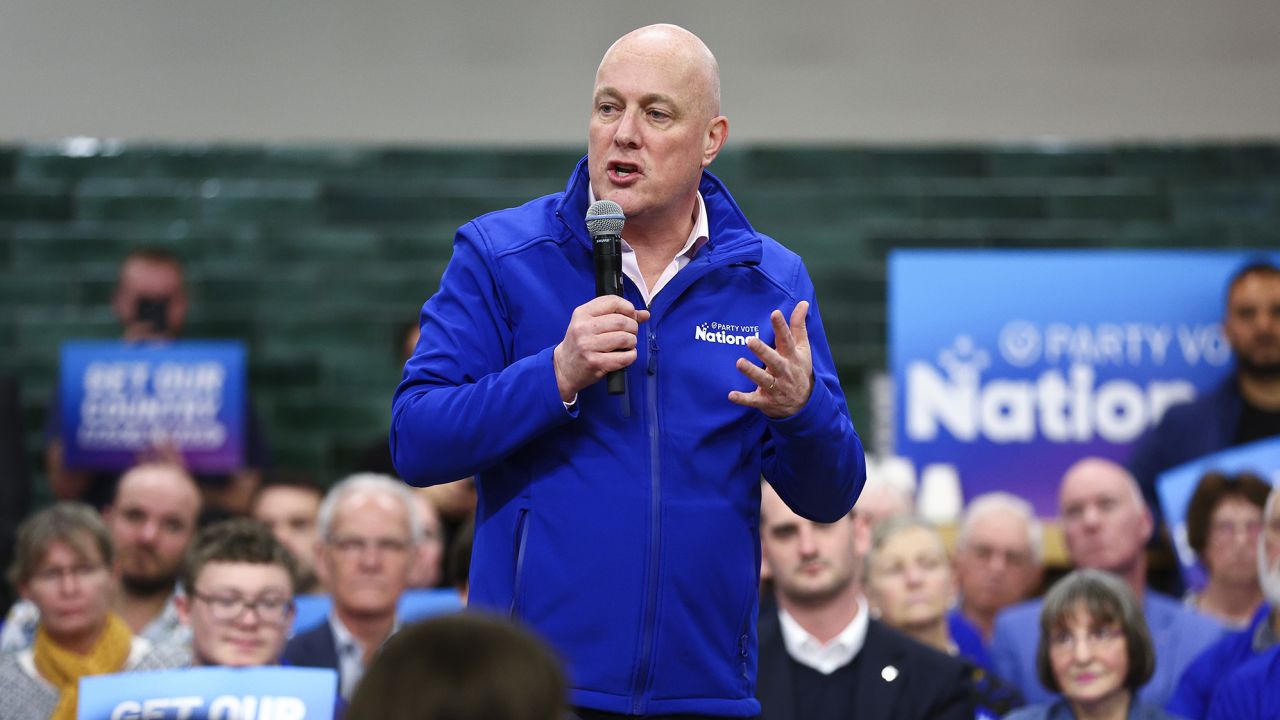
With more than 98% of votes counted, the center-right National Party, led by former airline executive Christopher Luxon, had amassed around 40% of ballots, according to New Zealand’s Electoral Commission.
A dejected Hipkins told supporters that Labour did not have enough votes to form a government.
“The result tonight is not one that any of us wanted,” he said, according to RNZ. “I gave it my all to turn the tide of history but alas, it was not enough.”
Luxon said New Zealanders had “voted for change” and that his party would now get to work trying to form a coalition.
“Tonight you have given us the mandate to take New Zealand forward,” he told supporters.
Coalitions are the norm under New Zealand’s mixed-member proportional system, which was introduced in 1996.
The nationalist NZ First party and its leader Winston Peters could potentially become kingmaker in a coalition administration alongside the libertarian, right-wing Act Party.
The only party to win a majority of votes and govern alone in the current political system was Labour in 2020, when Ardern won a landslide second term buoyed by her success at handling the country’s coronavirus outbreak.
But Ardern announced her shock resignation in January, saying she no longer had enough fuel in the tank to contest an election, and passed the reins of her party on to Hipkins.
A progressive global icon, Ardern’s time in power was defined by multiple crises, including the Christchurch terrorist attack, a deadly volcanic explosion, and a global pandemic.
Overseas she became famous for being a leader unafraid to show empathy and compassion at a time when populist demagogues were coming to the fore in many other western democracies.
But back home her popularity ebbed amid a rising cost of living, housing shortages and economic anxiety. And she faced violent anti-lockdown protests in the capital Wellington, with threats made against her.
Ardern’s successor as Prime Minister, Chris Hipkins, inherited these issues which have since been compounded by a sluggish economy, an historically high inflation rate of 6% and an accounts deficit that has concerned ratings agencies.
It’s the first election in New Zealand following the end of strict coronavirus lockdown measures that have been a source of contention for many. The government’s “go hard and go early” approach to the pandemic saw New Zealand impose some of the world’s strictest border rules, separating families and shutting out almost all foreigners for almost two years.
It meant New Zealand suffered far fewer Covid infections and deaths compared to many countries, like the United States or United Kingdom. But many residents felt the government went too hard on its measures.
“They were damned if they did and damned if they didn’t,” said Alex Wareham, a bartender from Auckland, who added that because people didn’t “have the human toll to focus on they are thinking our economy was ruined, the country was shut down.”
“It was always going to be a lose-lose for Labour, no matter which way you look at it… but it feels a National government during Covid would have done it the same way,” she said.