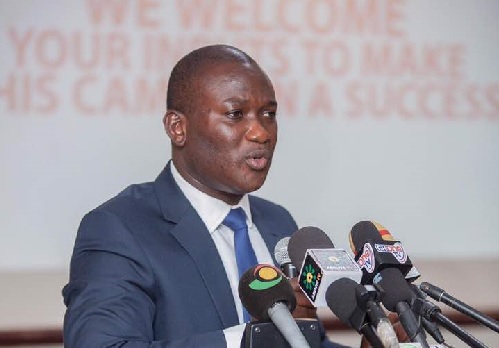
Senior Partner at AB & David, Dr. David Ofosu-Dorte, has identified the unchecked influence of market queens as a major factor contributing to the persistently high food prices in Ghana.
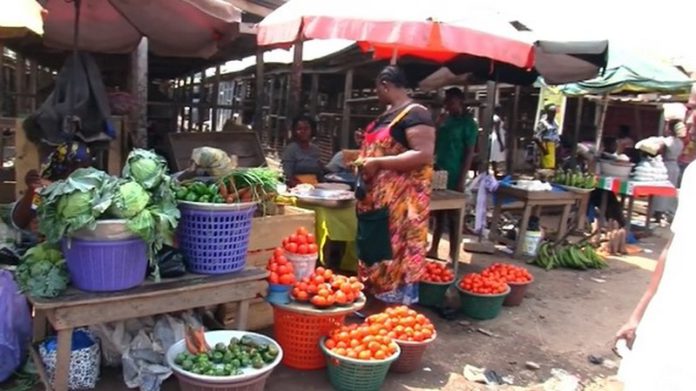
According to him, these influential women, who dominate food distribution networks across the country, have become powerful gatekeepers in the agricultural value chain, controlling everything from farm gate purchases to the final sale of produce in major markets.
Speaking in a recent interview, Dr. Ofosu-Dorte noted that market queens not only dictate who can supply produce to specific markets but also influence what gets transported, when, and at what price.
“There’s something called market queens, they decide what you eat, they control who plants tomatoes, who brings them to market, and even whether food gets to certain districts or not,” he said.
He stressed that this informal power structure has serious consequences for both farmers and consumers.
While food rots in rural communities due to poor access to markets, urban dwellers continue to pay inflated prices.
According to the World Food Programme, Ghana loses approximately $1.9 billion annually to post-harvest losses, an issue often blamed on inadequate storage and processing facilities, but which, Dr. Ofosu-Dorte argues, is also exacerbated by the restrictive grip of these cartels.
He further alleged that many market queens have political affiliations, which make their operations difficult to regulate or dismantle.
Dr. Ofosu-Dorte also pointed fingers at transport unions such as the GPRTU, accusing them of colluding with market queens to monopolise food distribution and push prices up.
He cited an example during a previous administration when the Ministry of Agriculture managed to transport plantains at significantly reduced costs using their own logistics proof.
He said that pricing is less about supply and more about who controls the system.
“This is not a problem with farmers or the food itself. The problem lies in the distribution chain and it’s being controlled by a few”.
He called on government and regulatory agencies to urgently address these “market powers” and deregulate the system to ensure fair competition and price relief for consumers.
Until such reforms are undertaken, Dr. Ofosu-Dorte believes, Ghana will continue to face artificial food shortages, rising prices, and widespread waste of agricultural produce despite an abundant supply from hardworking farmers.