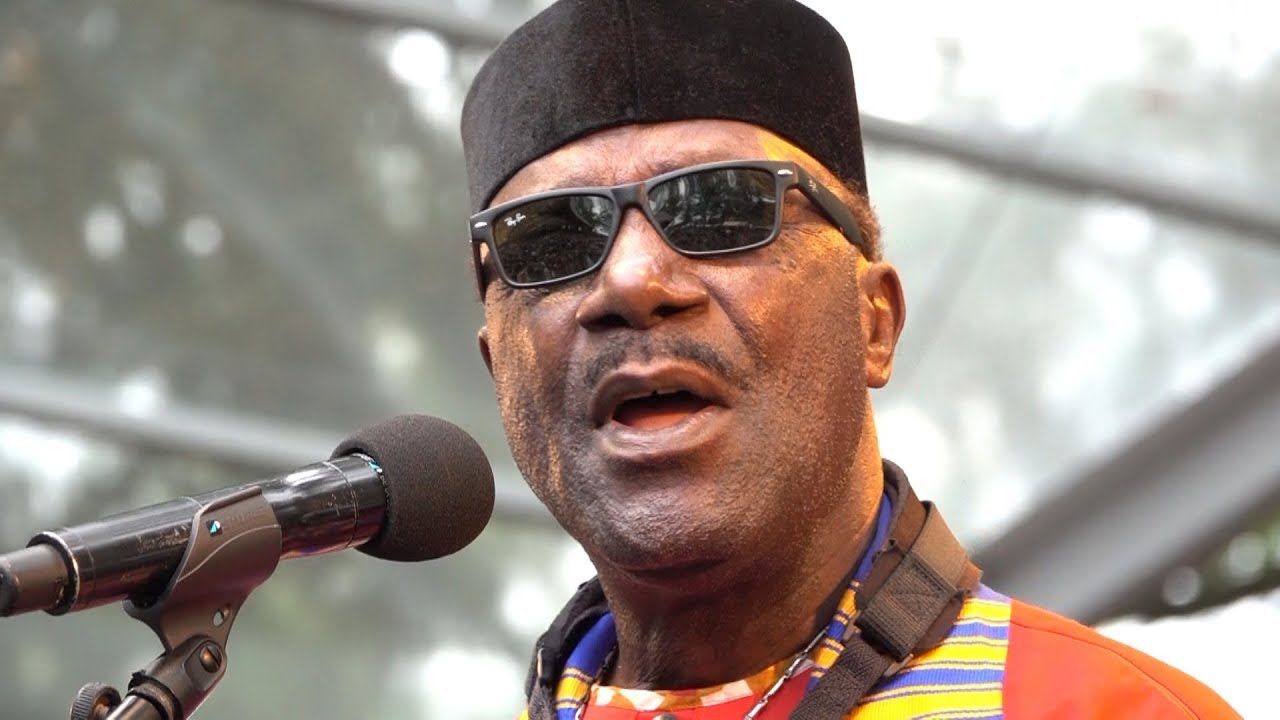
In April, as jazz lovers around the world mark Jazz Appreciation Month, Ghana’s own community of jazz enthusiasts is taking the celebration up a notch.
Among them is DJ and promoter Godfrey Acquaah, popularly known as Sterling DJ Jeff, whose Sterling Jazz Parties are helping to energise the local jazz scene.
“For those of us who are jazz fanatics, we listen to jazz all throughout the year, but in April, we take it a notch higher,” Acquaah said in an interview.
“We go to events or clubs, or just gather with friends to appreciate and talk about jazz.”
According to him, there is a growing appetite for jazz in Ghana, not only among the older generation but increasingly among young people too. “I’ve seen young people, even teens, who appreciate jazz. Maybe it’s influenced by what they hear at home, but it’s great to see that happening,” he said.
Dispelling the myth that jazz is elitist or strictly for relaxation, DJ Jeff emphasised the genre’s versatility: “There are various variations of jazz. It can be used for everything, just like any other genre.”
He also spoke about the sense of community jazz fosters. “What Sterling Jazz Parties does is go around pubs across the country and create safe, exciting spaces for jazz lovers to gather, have a good time, and network.”
When it comes to the essence of jazz, Acquaah points to improvisation as both its strength and its challenge. “Jazz is built on improvisation, that’s why it’s hard for artists to release albums. It’s never the same each time you hear it. Even the legends like Miles Davis always brought something new in every performance.”
For Acquaah, the Ghanaian jazz scene is vibrant beyond Accra, extending into places like the Western and Ashanti Regions.
He noted clubs like 233 Jazz Bar and Country Jazz Club, which support not just international acts, but also lesser-known, incredibly talented artists.
Joining the conversation was one of Ghana’s most iconic musicians, Gyedu-Blay Ambolley. Known widely as the king of highlife and the pioneer of rap-infused highlife, Ambolley offered historical context to the place of jazz in Ghanaian music.
“Jazz is a music that our brothers, who were taken to America, came up with,” said Ambolley. “But the roots are right here in Africa.”
To him, jazz and highlife are branches from the same tree. “When I take my music and add jazz influences from America, I don’t see any change. I see that it’s a whole thing that was extended, and now we’re bringing it back home.”
Ambolley, who picked up the saxophone after a bandmate left his instrument behind, said he was deliberate in crafting a unique style. “I didn’t want to play like the Americans. I remember Miles Davis once told Hugh Masakela, ‘Don’t play like us, play like yourself.’ That resonated with me.”
His early exposure to jazz came from sailors who brought records back to Ghana and local bands experimenting with the form. “The jazz music itself is an expression. It’s like the mental arithmetic of music. You must learn the patterns and too many notes to really express it.”
Ambolley believes understanding the cultural and structural roots of jazz, its links to African cadence and expression, is essential for authentic creation and appreciation. “If you don’t understand the different branches of music, you can’t add to it meaningfully.”
Between DJ Jeff’s grassroots revival and Ambolley’s rich musical legacy, one thing is clear: jazz in Ghana is far from dead. It’s growing, evolving, and reconnecting with its African roots in profound and joyful ways.