The Institute of Statistical, Social and Economic Research (ISSER) says that although the government’s newly renegotiated power contracts may offer short-term financial relief, only deep and lasting reforms can stabilise Ghana’s troubled energy sector.
In the 2026 Budget, the government announced that it had renegotiated all power purchase agreements (PPAs) with Independent Power Producers (IPPs), securing more than US$250 million in savings and restructuring GH¢1.1 billion in energy-sector debt over the next four years.
But ISSER warns that these gains do not fix the underlying problems.
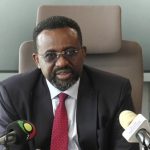
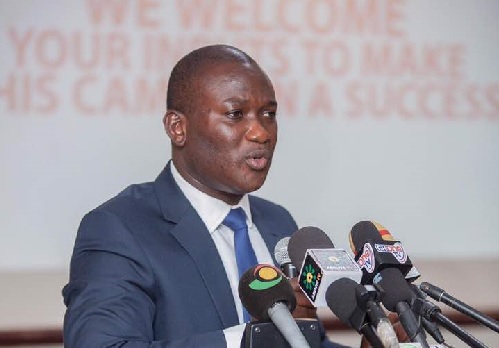
Speaking at ISSER’s Post-Budget Discussion on Wednesday, November 19, 2025, Director Prof. Robert Darko Osei pointed to the huge losses in Ghana’s power distribution system as a major driver of recurring debt.
“Our transmission and distribution losses are huge. Transmission losses alone are about 27%. That is significant,” he said.
Prof. Osei acknowledged improvements in commercial losses and in the Electricity Company of Ghana’s (ECG) revenue collection, but stressed that these improvements are not enough.
“That does not mean we can continue with such high transmission losses. The ECG discussions must continue,” he noted.
He cautioned that without a full overhaul of the power sector especially the distribution side which Ghana will slip back into a cycle of debt even after renegotiating IPP contracts.
“If we don’t fix distribution, we will renegotiate with IPPs and spread payments out, but the debt will still pile up because the reforms won’t make the IPPs profitable,” he said.
ISSER concluded that the fiscal breathing room created by the renegotiations should be used to strengthen sector governance, cut technical losses, and build a sustainable pricing and planning framework that supports industrial growth.