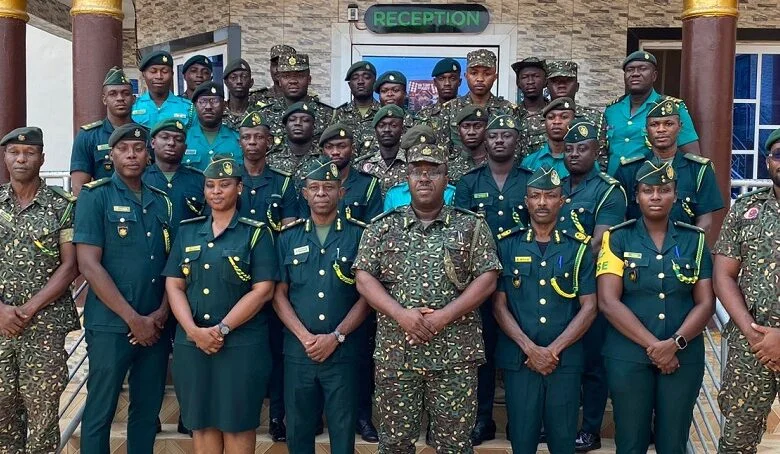
The Gender Mainstreaming Section of the Ghana Immigration Service (GIS), in collaboration with the United Nations Population Fund (UNFPA), yesterday held a workshop to validate a training manual on Gender-Based Violence (GBV) with a focus on sexual exploitation, abuse and harassment.
The workshop, which brought together officers of the GIS within the Greater Accra Regional Command, National Headquarters, KIA, Tema, Central East, among others, is expected to equip officers with the right knowledge, tools, and skills to identify, prevent, and respond to gender-based violence in line with national and international standards. The programme was held at the Assemblies of God Ring Road Branch in Accra.
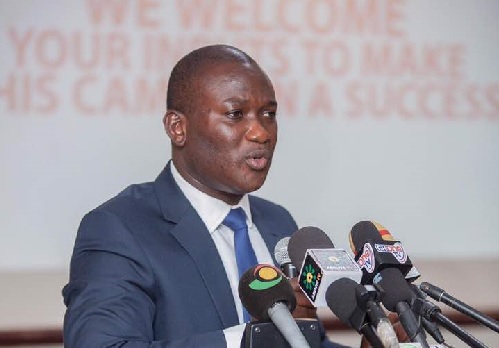
Speaking at the workshop, Comptroller-General of the GIS, Samuel Amadu Basintale, said the adoption of the Ghana Immigration Service manual is intended to sensitise personnel on policies and other related matters.
He said the manual not only mirrors the sensitive nature of the issue, but to serves as a practical tool that will guide officers in their duties at the various border posts while reflecting the Service’s commitment to upholding human rights and providing a serene environment for all individuals within the fold of the GIS.
While pointing out that gender-based violence has become a pressing global issue at the workplace, Mr. Basintale was quick to add that “there is a need for us to have a concerted effort to deal with the problem. The development of the training manual is a significant step to enhancing our capacity to identify, prevent and respond to sexual exploitation, harassment, among others, effectively.”
Dr. Wilfred Ochan, Country Representative for the UNFPA, for his part, said the manual not only reflects the milestone for the Service itself, but is a testament to Ghana’s broader commitment to protecting human rights, advancing gender equality, and strengthening institutional frameworks to prevent and respond to gender-based violence.
He described the manual as an important contribution to Ghana’s national agenda, particularly within the framework of the National Gender Policy, National Migration Policy, National Policy and Plan of Action of the Domestic Violence Act, as well as the country’s commitment to achieving sustainable development goals (SDGs).
“It highlights the alignment between national priorities and the UNFPA’s global mandate, reinforcing our partnership with the government in Ghana in ensuring that every woman and girl can be free from violence and fear. Our role as the UNFPA in supporting the development of this training manual is, thus, strategic and cumulative,” he added.