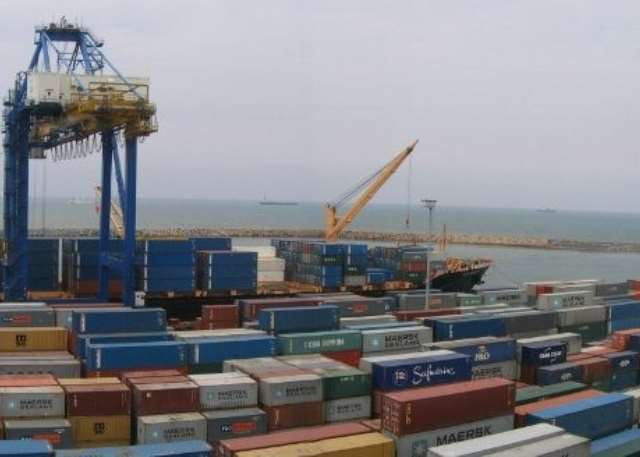
The Food and Beverages Association of Ghana (FABAG) has disputed claims by Tema Port management that challenges at the bulk and bagged cargo section have been resolved, warning instead that conditions at the port have deteriorated significantly.
In a statement issued on January 4, 2026, the association said its members continue to face serious operational disruptions, contrary to public assurances that the situation has stabilised.
FABAG described current conditions as the worst experienced in more than 23 years, warning that the situation poses a major threat to manufacturing operations and food supply chains.
According to the association, labour productivity at the bulk and bagged section has declined sharply.
Vessels are now discharging an average of about 200 metric tonnes per day, compared with a minimum of 2,000 metric tonnes per day in previous years representing nearly a 90 per cent drop in productivity.
FABAG said this decline has severe implications for importers, manufacturers and consumers.
The association noted that the introduction of a 24-hour shift system has failed to improve performance, attributing ongoing inefficiencies to inadequate staffing, low worker morale and unresolved labour-related issues.
FABAG also raised concern about worsening vessel turnaround times, citing extended berthing delays, slow cargo evacuation and irregular offloading schedules.
It warned that these challenges are already resulting in heavy demurrage charges, which are likely to be passed on to manufacturers and ultimately consumers.
The group criticised what it described as a widening gap between official statements and the realities faced by port users, cautioning that downplaying the challenges undermines confidence in port operations.
FABAG stressed that inefficiencies at Tema Port have far-reaching consequences for inflation, food security and the competitiveness of local industries, given the port’s critical role in Ghana’s supply chain.
The association called for urgent, transparent engagement among the Ghana Ports and Harbours Authority (GPHA), port management, labour unions and other key stakeholders.
It also demanded independent verification of operational data, including vessel turnaround times and cargo discharge rates.
While expressing its willingness to engage constructively, FABAG warned that immediate corrective action is necessary, noting that continued delays at the bulk and bagged cargo section pose a serious risk to businesses and consumers alike.