Every morning, Silas Kortey lifts his son gently into his arms, carries him to school, and brings him back home again. His son cannot walk, talk, feed himself, or attend to any personal needs.
For Silas, fatherhood has become a full-time caregiving role — involving bathing, feeding, clothing, and attending therapy sessions every two weeks — all without the support of a stable income.
“This child cannot do anything on his own,” he says with quiet resolve. “Because of him, I cannot go to work. But what choice do I have? He needs me.”
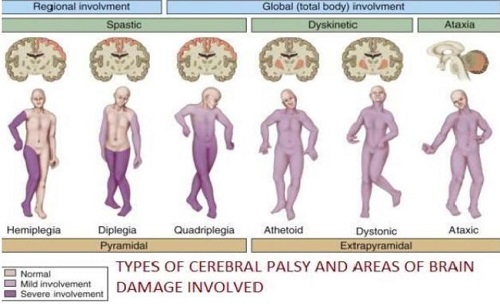
Silas is one of many Ghanaian parents facing the silent, daily battle of raising a child with Cerebral Palsy (CP). This permanent neurological disorder affects movement, muscle tone, and coordination. Diagnosed in early childhood, CP affects every family differently, but the need for understanding and support is universal.Family vacation packages
Goal Rush – Compu Ghana
Speaking on Channel One TV on Saturday, June 21, 2025, Rachel Quaye Narh, President of Cerebral Palsy Ghana and mother of a son with the condition, said the journey has been both painful and powerful. Her son, Darius, could not speak for years. So when he finally uttered the word “Mama”, Rachel describes it as though he had written her a love letter.
“It was like he had written an essay just for me,” she recalls, smiling. “That moment changed everything. Darius made me who I am today. Because of him, I’ve travelled to places I never thought possible.”
But it’s not just the emotional toll that weighs on families — it’s also the physical and financial demands. Rachel emphasises that consistent physiotherapy is crucial for progress, yet it is exhausting and costly. Worse still, any break in therapy can undo months of improvement.Buy vitamins and supplementsFamily vacation packages
“If you stop physio, you have to start all over again,” she explains. “As parents, we have to learn to do the exercises at home to keep our children moving forward.”
Yet support remains minimal. Maame Boakye of GoldCoast Medical Foundation echoes the concerns. She points out a critical, often overlooked risk: missing children with cerebral palsy.
“How do you find a missing CP child who cannot talk?” she asks. “It’s heartbreaking — and frightening.”
Maame said she met Rachel eight years ago and has since watched Darius grow into a cheerful, connected young boy who now recognises her and is actively part of their awareness efforts. The two women are now preparing for a Cerebral Palsy Awareness Campaign, set to take place at Mensvic Hotel on June 27, 2025.
Despite the immense effort from parents and advocacy groups, they say their work cannot fill the gaps left by government and public indifference.
“We need the government to help,” Mr Kortey pleads. “Our educational system must make space for these children. They need specialised support — especially during exams.”
Rachel adds, “We must stop hiding our children. Cerebral palsy is a reality. It’s not shameful. It’s part of our lives, and we must deal with it with love and dignity.”
Their message is clear: every child with cerebral palsy is different, and every one of them deserves a tailored plan that honours their potential.
As the awareness campaign approaches, these families are not just asking for charity — they’re demanding visibility, policy, and compassion. From inclusive education policies to improved healthcare access and public awareness, the call is growing louder: children with cerebral palsy must no longer be left behind.