

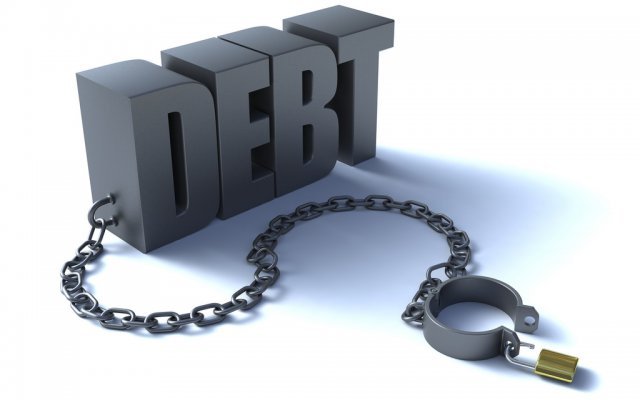
Africa’s debt sustainability has become a pressing concern, advisory firm Bridgewater Advisors…


Ghana’s national currency, the Cedi, is currently enjoying a rare moment in…
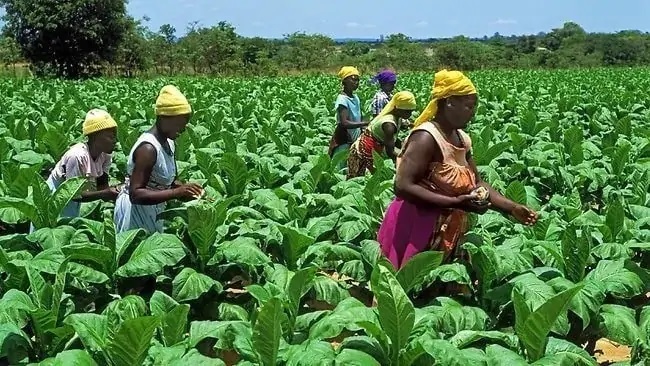
Agricultural Research Scientist, Professor Roger Kanton, has outlined six essential systems Ghana…


A former General Secretary of the General Agricultural Workers Union (GAWU), Edward…

Ghana has taken a bold step forward in the fight against cyber…

The Director-General of the Ghana Maritime Authority (GMA), Dr. Kamal-Deen Ali, has…
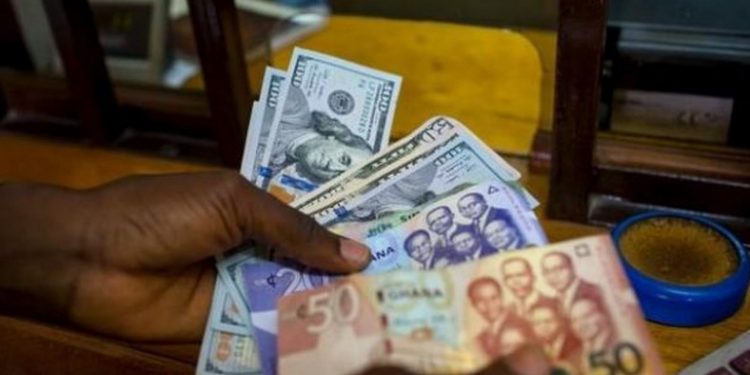
An Economics lecturer at the University of Ghana says the recent cedi…
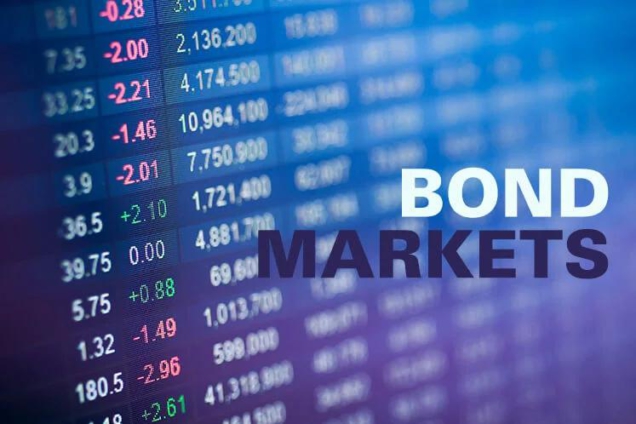
Trade activity in the secondary bond market edged up 0.52% week-on-week to…
Oil prices climbed more than 2% on Thursday, lifted by renewed optimism…

Oil prices have risen by 3%, with Brent crude nearing $63 and WTI approaching $60, buoyed by optimism around upcoming U.S.-China trade negotiations. U.S. Treasury Secretary Scott Bessent is set to meet with China's top economic official on May 10 in Switzerland to address the ongoing trade war that has been impacting global markets. According to SEB analyst Ole Hvalbye, hopes for progress in the talks are providing support to the oil market. However, analysts are cautioning that volatility remains due to the tariff-driven risks. Jim Ritterbusch from Ritterbusch and Associates notes that the global risk premium of past years has now shifted to a "tariff premium," driving fluctuations based on the latest headlines from the U.S. administration. On the supply side, OPEC+ is expected to increase its output, potentially adding downward pressure on prices. Citi Research has adjusted its three-month price forecast for Brent down to $55 per barrel, though it maintains a long-term outlook of $60 for this year. Meanwhile, geopolitical factors could also sway prices. A U.S.-Iran nuclear deal could drive Brent prices towards $50 per barrel due to increased supply, while the absence of a deal might push prices above $70 per barrel. In a parallel development, U.S. President Donald Trump announced a U.S.-UK trade deal that includes a trading zone for aluminum and steel and aims to secure the pharmaceutical supply chain. Oil markets remain highly sensitive to trade and geopolitical shifts, suggesting that volatility is far from over.
