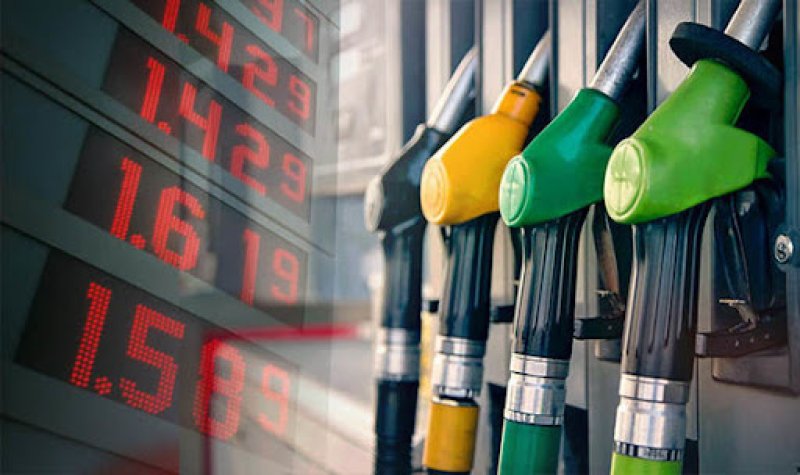
Fuel consumers should prepare for a notable increase in fuel prices in the first pricing window beginning Monday, September 1, 2025.
The latest pricing outlook released by the Chamber of Oil Marketing Companies (COAMC) indicates that the cost of petroleum products, including petrol, diesel, and LPG, is set to rise due to a combination of economic and supply-side pressures.
According to the report, the price of petrol at the pumps is expected to increase by between 3.86% and 5.40%, which could see the price per litre rise to approximately GH¢ 13.67.
Diesel prices are also projected to go up by about 3.39% per litre, potentially reaching GH¢ 14.35.
Liquefied Petroleum Gas (LPG) is expected to see a price increase of up to 4.57% per kilogram.
The COAMC attributes these increases primarily to the recent depreciation of the Ghanaian cedi against the US dollar.
Over the past month, the cedi has weakened from GH¢ 10.71 to GH¢ 11.20, a 3.98% decline and the sharpest depreciation recorded so far this year.
This currency movement has significantly increased the cost of importing finished petroleum products.
Interestingly, the report also notes that global crude oil prices have been trending downward, with petrol prices on the international market dropping by 0.45%, diesel by 3.73%, and LPG by 1.73%.
However, these reductions have not been enough to offset the local impact of the cedi’s depreciation.
The Chamber further points to other contributing factors, including the recently introduced one-cedi levy on certain petroleum products, which has likely added to the final pump prices.
In addition, ongoing supply challenges, especially the shortage of finished petrol products earlier in August, have placed additional pressure on pricing.
These disruptions even led some Oil Marketing Companies to raise prices midway through August, despite expectations that rates would remain unchanged during that period.
Ultimately, the Chamber concludes that while global oil prices have eased slightly, the combination of local currency depreciation, supply shortfalls, and policy changes has made a price increase unavoidable as the new month begins.