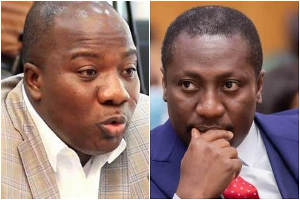
IMANI Africa’s Vice-President, Kofi Bentil, has staunchly defended the constitutional process leading to the dismissal of former Chief Justice Gertrude Araba Esaaba Sackey Torkornoo.
He highlighted that the action was a legitimate use of authority, free from political motivations.
“This isn’t a simple witch-hunt. All constitutional procedures were adhered to, and there were no violations of the constitution,” Bentil stated.
He did raise concerns, however, about the potential normalisation of such removals, cautioning that it could jeopardise the judiciary’s independence.
“The removal of a Chief Justice should not be taken lightly. If this trend continues, it could become commonplace for incoming presidents to dismiss the Chief Justice and heads of security, replacing them with allies. That’s not the purpose of our Constitution.”
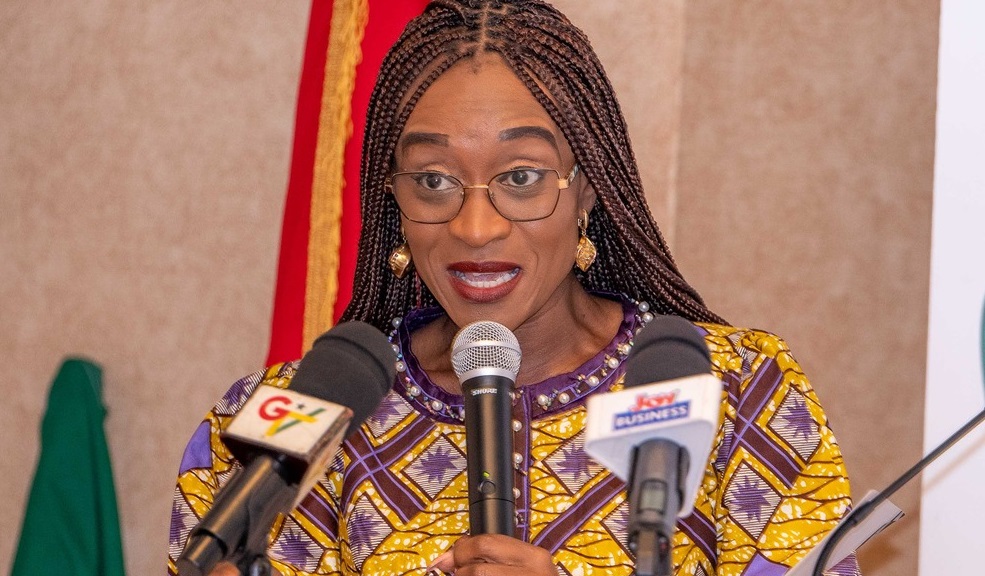
This situation stems from findings by the Article 146 Committee, which concluded that Justice Torkornoo misused public funds for personal travel. Reports suggest that in September 2023, she charged the Judicial Service for two trips—one to Tanzania with her husband and another to the United States with her daughter.
Meanwhile, IMANI Africa’s President, Franklin Cudjoe, has adopted a more forceful stance, indicating that Justice Torkornoo’s actions could have led to harsher repercussions in other jurisdictions.
“After examining all the evidence, it became clear that she improperly received an imprest that she wasn’t authorized to use,” Cudjoe remarked.
“The argument that she should have been advised by a finance officer, due to her lack of knowledge, is irrelevant. As the head of the judiciary, she is expected to understand the law. In other countries, she could have faced imprisonment by now.”
Following the committee’s report, President John Dramani Mahama dismissed Justice Torkornoo from her role, a move that has sparked intense discussions about judicial accountability and the influence of politics.