Ghana has been ranked 12th among 23 African countries with the highest cost of living, according to the latest report by global data platform, Numbeo.
The country scored 30.6 on Numbeo’s Cost of Living Index, with additional sub-scores of 12.1 for the Rent Index and 33.3 for Groceries.
Topping the African rankings is Ethiopia with a score of 43.2, followed by Botswana (39.5) and Mozambique (38.9) in second and third place, respectively. Other countries ahead of Ghana include Côte d’Ivoire, Somalia, Cameroon, Mauritius, Zimbabwe, Rwanda, Zambia, and Tanzania.
The report highlights the influence of key sectors such as food, housing, transportation, and healthcare on both the cost of living and overall economic well-being.
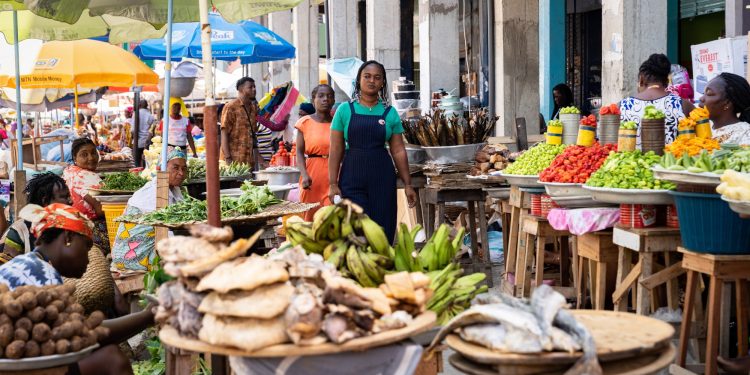
In Ghana, the rising costs of food, transport, and accommodation remain a major concern for households, as they significantly contribute to inflation.
Despite this, inflation is on a downward trend, falling to 18.4% in May 2025, down from 21.2% in April—marking the fifth consecutive decline. According to the Ghana Statistical Service, the drop was largely driven by reduced transport fares and a sharp decline in non-food inflation.
Food inflation, although still elevated, eased to 22.8% in May from 25.0% in April. Non-food inflation saw an even steeper drop, falling to 14.4% from 17.9%.
Food inflation alone accounted for over 60% of the total inflation rate, contributing 9.7 percentage points to the national headline figure.
One of the most notable improvements was in the transport sector, where inflation plummeted from 14.9% in April to just 3.1% in May—the sharpest year-on-year drop across all categories tracked under the Consumer Price Index (CPI).