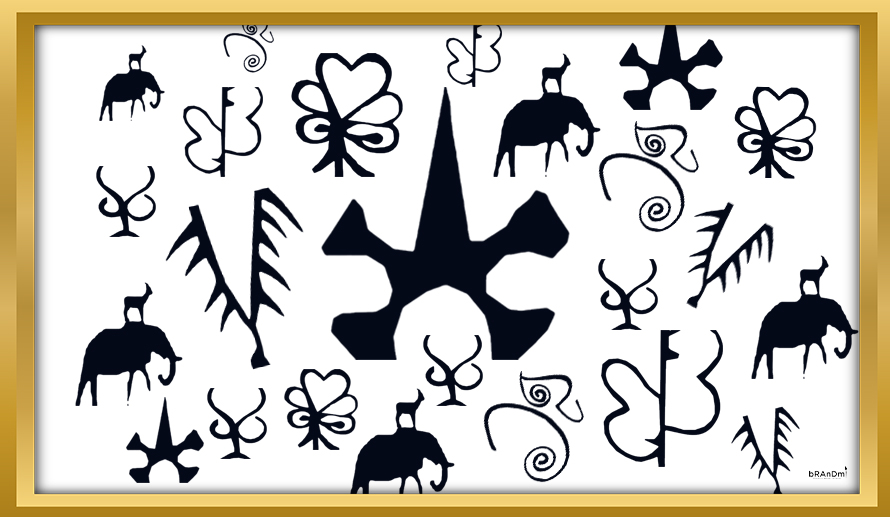
Did you know that the Ga people of the Greater Accra Region have their own unique symbols and emblems, much like the Adinkra symbols of the Akans?
These emblems carry profound meanings and reflect the rich cultural heritage of the Ga community. Yet, they remain largely unknown, even to some within the Ga population.
This lack of awareness is not entirely surprising.
Over the past few decades, the linguistic and cultural landscape of Accra—the heart of Ga-speaking areas and Ghana’s capital—has undergone significant changes.
Urbanization and globalization have threatened many aspects of Ga traditions, including these important symbols.
According to oral traditions, these emblems, which feature animals such as hens, eagles, doves, lions, pineapples, chameleons, deer, elephants, tortoises, and snails, were once vital tools for indirect communication. Each creature encapsulates a treasure trove of wisdom, representing positive values and offering guidance for the Ga-Adangme people to nurture these ideals within their communities.
READ ALSO: Ghana Month: Unlocking the mystery of ‘Wrewre nkwan’
In this edition of the Ghana Month Series, The Ghana Report takes a closer look at some of the revered emblems cherished by the Ga-Adangme people of the Greater Accra Region.
These symbols are not just artistic expressions but also serve as a window into the cultural identity and philosophical outlook of the Ga people.
As we explore these emblems, we are reminded of the importance of preserving and celebrating the rich heritage of Ghana’s diverse ethnic groups. Stay tuned as we unravel the stories and meanings behind these fascinating cultural treasures.
- Akpokpolonto (Tortoise)
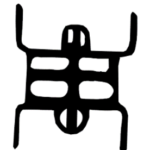
This emblem or symbol of the Ga-Adangmes represents patience and peace. These traits are indispensable for human existence.
- Nilee/ Mankota Mankono (Wisdom/Intelligence)

This emblem features two unique creatures: a deer and an elephant, with some historians referring to the animal on the elephant’s back as an antelope.
Representing the Ga state, this symbol illustrates an antelope or deer perched atop the elephant. The deer or antelope signifies the Ga-Adangme kingdom, while the elephant embodies all other nations. This imagery emphasizes that intelligence and wisdom are vital for effective leadership and rule.
The elephant, known as the mightiest of animals, serves as a strong metaphor. To appreciate the significance of the symbol, one should contemplate how the nimble antelope or deer can balance itself on the back of such a powerful creature.
The answer lies in wisdom. The emblem conveys a crucial lesson to the Ga state: it is not merely size or brute strength that allows one to rise to prominence, but rather the application of wisdom.
- Abobonua ( A tiny braggart bird)
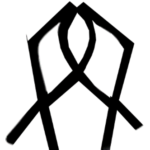
This symbol implies that boastfulness can lead to disappointment. A person, therefore, needs to exercise restraint when talking about his capabilities.
- Akromadio ( Nations are interdependent)
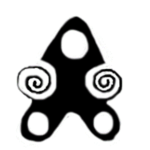
This symbol means that no one is a repository of knowledge or self-sufficient; we have our unique capabilities and depend on others whenever necessary.
- Abii Woo Ni Ahe Nu (one who asks for water does not get honey)
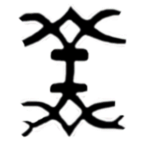
This emblem simply means optimism and the right attitude are essential qualities for success in life.
- Ashinɔ (Beads)
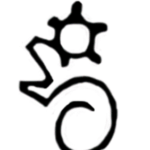
This emblem means togetherness or unity. This implies that in life, we must live in unity and harmony with others, signifying a sense of shared purpose, cooperation, and strength that comes from working together as a group rather than being divided or acting alone.
- Adashi (Appreciation)
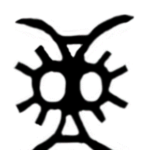
This symbol means that appreciation is of great essence in human life.
- Asamankama ( Thorny medicinal plant)
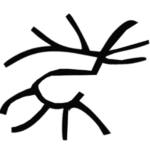
This symbol means that as humans, we must be cautious of the company we keep, for none is to be trusted wholeheartedly.
- Atoobi (A tiny bird)
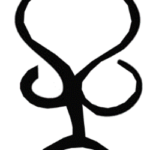
This emblem means that respect is due to everyone regardless of the person’s appearance or present circumstances.
- Abui (Needle)
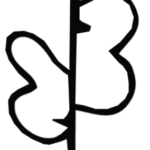
This implies that self-control is necessary at all times; otherwise, we live to regret it in the future.
- Aspaaterε (Slippers)
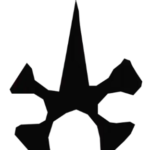
All humans find themselves in different situations. Thus, everyone understands their situation best. Self-awareness is essential for achieving one’s goals.
- Hiŋmεi sεε (Eyebrow)
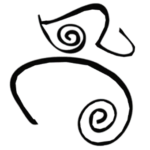
This symbol compares the ‘eyebrow’ to the beard, which connotes respect. It means that regardless of how long the beard grows, it cannot match the eyebrow in seniority.
- Asrafoi (Military or Army)
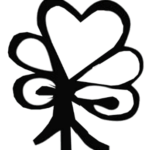
Vigilance and unity of purpose are crucial for success in life.
- Atswa (A kind of rifle/gun)
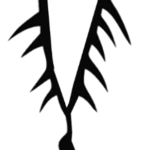
This simply means a stitch in time saves nine.
This proverb implies that it is better to fix a problem when it is small than to wait and let it become a bigger problem.
To ensure these symbols endure throughout time, I earnestly encourage local textile industries to incorporate them into their fabrics.
To our fellow fishermen in the Ga communities, let’s adorn our canoes with these symbols and pass down their importance to the younger generation, preserving our heritage.
It’s Ghana Month; let’s celebrate our culture and hold dear the unique aspects that define us as Ghanaians.