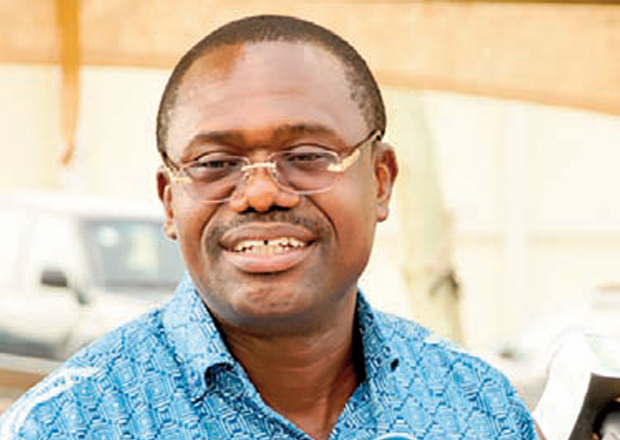
A consultant family physician and a geriatrician, Dr. Lenuisia Ahlijah, is sounding the alarm on hypertension, often dubbed the “silent killer,” urging the public to take proactive steps in monitoring and managing their blood pressure.
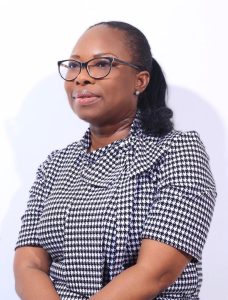
Dr. Lenusia Ahlijah
Hypertension, the condition where the force of blood pushing against artery walls is consistently too high, is a dangerously common affliction, particularly as people age.
The Danger Zone
Dr. Ahlijah highlights that this condition is perilous because it forces the heart to work harder to pump blood and simultaneously damages the arteries. Over time, this sustained pressure significantly raises the risk of life-threatening complications, including heart attack, stroke, and kidney failure.
According to medical classifications, blood pressure levels fall into these critical categories:
– Normal: Less than 120/80mmHg
– Pre-hypertension: 120-139/80-89mmHg
– Stage 1 Hypertension: 140-159/90-99mmHg
– Stage 2 Hypertension: Above 160/100mmHg
Recognizing the Risks
Alarmingly, the majority of people with hypertension about 33% are unaware they have the disease because it typically presents with no symptoms. This makes regular checks vital.
While the exact cause is often unknown, a combination of risk factors can predispose individuals to the condition:
* Lifestyle: Smoking, excessive alcohol consumption, a sedentary lifestyle leading to obesity, and a diet high in salt and fat are major contributors.
* Genetics & Demographics: Ageing (people 35 and above), a family history of hypertension, and being of black descent are non-modifiable risk factors.
* Other Conditions: Stress, chronic kidney disorders, and even the use of oral contraceptives in women can play a role.
In rare cases where blood pressure is extremely high, individuals may experience signs of complications, such as severe headache, vision problems, chest pains, difficulty breathing, or an irregular heartbeat.
Diagnosis and Management: A Call to Action
Dr. Ahlijah stresses that the only reliable way to know your status is through a blood pressure check. Diagnosis is typically confirmed if the average of three separate readings, taken at least a week apart, is 140/90 \text{mmHg} or higher, or if a single reading is 160/110 \text{mmHg} or more. It is advisable to have a blood pressure check at least once a year, or more frequently if there is a family history.
The good news is that hypertension is manageable, primarily through lifestyle modifications:
* Weight Reduction and Aerobic Exercise: Increasing physical activity.
* Dietary Changes: Strict restriction of salt and fat intake.
* Smoking Cessation and Stress Reduction.
“Adherence to treatment is critically important,” warns Dr. Ahlijah. If lifestyle changes are insufficient, drug therapy is added. Patients are urged never to stop taking antihypertensive medications without consulting their doctor, as non-adherence can be “suicidal” due to the serious risks of uncontrolled hypertension. The message is clear: Know your numbers, manage your risks, and protect your heart.
Patient Profile: Learning the Hard Way
Mr. Kwame Asante, a 58-year-old retired civil servant, shares his shock and subsequent commitment to managing his condition:
“I felt fine. Honestly, I didn’t have a single symptom,” Mr. Asante recounts. “The first time I knew something was wrong was when I had a sudden, severe headache that wouldn’t budge, followed by a dizzy spell. My wife insisted on taking me to the clinic. That’s where they told me my pressure was dangerously high 190/115{mmHg}.”
“It’s a scary diagnosis because, like Dr. Ahlijah said, it’s ‘silent.’ You’re walking around with a time bomb inside you. I had to completely change my lifestyle. I used to love heavily salted stews and very little exercise. Now, I walk for 45 minutes every morning, I cook with herbs instead of salt, and I take my medication religiously,” he states, tapping the wrist where he now wears a small digital watch. “The hardest part is the discipline, but I look at my grandchildren and I know it’s worth it. My advice to everyone is simple: Don’t wait for a crisis. Get tested today.” Practical Tips: Home Monitoring with a Nurse.
Mr. John Nketsiah, a student nurse emphasizes the importance of accurate home monitoring.
Why Home Monitoring Matters.
“Checking your blood pressure at home offers a clearer, more relaxed picture than the one-off readings at the clinic, which can sometimes be elevated by ‘white-coat hypertension’ the anxiety of being in a medical setting,” explains Mr. John Nketsiah. “It also allows patients to see how their diet, exercise, or medication is actually affecting their numbers, giving them a sense of control.”
Mr. John Nketsiah’s Top 3 Tips for Accurate Readings:
– Preparation is Key: “Before you take a reading, sit quietly for at least five minutes. Do not smoke, drink coffee, or exercise for 30 minutes prior. Your bladder should also be empty,” she advises.
– Proper Positioning: “Use a validated, automated arm cuff, not a wrist or finger monitor. Sit with your back supported and your feet flat on the floor don’t cross your legs. Your arm should be resting on a table, with the cuff at the level of your heart.”
– Timing and Tracking: “Take two or three readings one minute apart, twice a day usually in the morning before medication and in the evening. Keep a log of these numbers to share with your doctor. This tracking is the foundation of effective management.”
Mr. John Nketsiah concludes with a plea for vigilance: “Hypertension isn’t curable, but it is controllable. Empower yourself with the knowledge of your own body, and take charge of your health”.