Ghana continues to hold the third-highest monetary policy rate in Sub-Saharan Africa, even after cumulative rate cuts totaling 7.5 percentage points in 2025.
This is according to the World Bank’s October 2025 Africa’s Pulse Report.
The report places Ghana’s benchmark interest rate at 21.5%, trailing only Nigeria (27%) and Malawi (26%), despite the Bank of Ghana’s cautious stance amid ongoing efforts to consolidate disinflation gains and maintain macroeconomic stability.
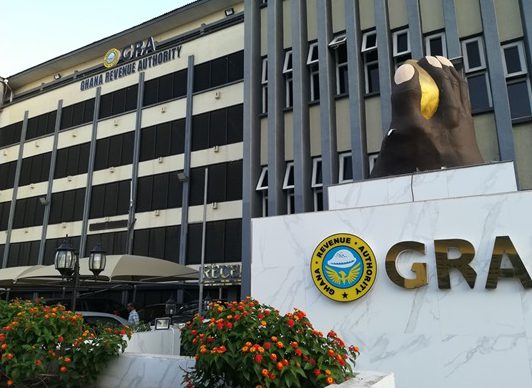
The central bank’s Monetary Policy Committee (MPC) announced a 350-basis-point cut in September, marking the lowest policy rate since October 2022.
The decision signals growing optimism over Ghana’s economic trajectory, with inflation trending downward, external buffers strengthening and growth momentum sustained across key sectors.
Despite this progress, the World Bank observed that Ghana’s monetary conditions remain relatively tight compared to regional peers. Countries such as Kenya, Mozambique, Lesotho and South Africa have already moved further in their easing cycles, while others like Rwanda and Uganda have maintained stable rates for several months.
While the Bank of Ghana’s measured approach supports long-term stability and helps anchor inflation expectations, gradual easing could further lower lending costs, stimulate private sector investment and improve Ghana’s trade competitiveness.
The World Bank also cautioned that global headwinds, including commodity price volatility and uncertainty in advanced economies, could delay broader monetary normalisation across Africa.
However, it noted that countries like Ghana with improving inflation dynamics and credible policy frameworks have the flexibility to loosen monetary conditions without undermining macroeconomic stability.
While the recent cuts mark a shift toward easing, the Bank of Ghana is expected to remain cautious as it observes global risks and seeks to cement the country’s recovery momentum.