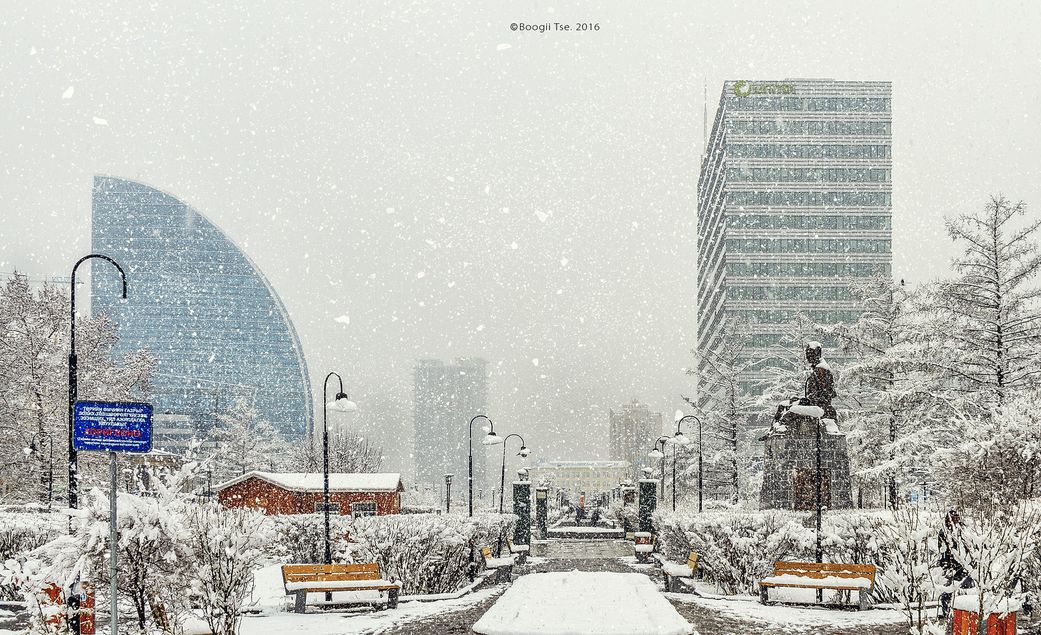
When people think of travel, sun-soaked beaches, tropical islands, and warm destinations often come to mind. Yet, for the adventurous few, the coldest places on Earth hold a special kind of allure. These frozen frontiers, where temperatures plunge far below what most of us could endure, offer landscapes of breathtaking beauty and experiences that can’t be found anywhere else.
From Siberian villages where schoolchildren attend class at -50°C to Arctic research stations where the sun disappears for months, these destinations reveal how both nature and humanity adapt to extreme cold.
Exploring the world’s coldest places isn’t for the faint of heart, but for those willing to brave the chill, they promise unforgettable encounters with glittering ice fields, frozen seas, star-filled polar skies, and the remarkable resilience of life at the edge of survival.
Whether you’re fascinated by science, culture, or the sheer thrill of standing in the coldest spots known to humankind, these destinations remind us of the Earth’s extremes and the spirit of endurance that thrives within them.
Discover the 10 Coldest Places in the World to Visit
- Record Low Temperature: -71.2°C (-96.16°F)
- Average Winter Temperature: -50°C (-58°F)
Often called the coldest permanently inhabited place on Earth, this small town in Siberia is home to about 500 residents. Located in the Sakha Republic, Oymyakon experiences an extreme continental climate with incredibly harsh winters. The name “Oymyakon” means “unfrozen patch of water” in the local Even language, referring to a nearby hot spring that remains liquid even in extreme cold.
Fascinatingly, the ground here is permanently frozen to depths of 1,500 metres (4,900 feet), deeper than the Empire State Building is tall. Cars must either run continuously for months or be kept in heated garages, as fuel can freeze solid and tyres can shatter like glass.
Mobile phones die within minutes once temperatures fall below -40°C, and there is no indoor plumbing anywhere; residents rely on outhouses and water from a heated communal well. Even burials are impossible in winter, as the frozen ground can only be dug in summer.
Everyday life comes with unique challenges. Pen ink freezes instantly, eyeglasses stick to faces, and contact lenses can literally freeze in people’s eyes. The local school only closes when it drops below -52°C, meaning children still attend classes in what most would consider deadly conditions.
Residents survive on a heavy diet of raw frozen fish, horse meat, and reindeer to stay warm and energised. Days are painfully short, with only three hours of dim light in December. Local legends even claim that words freeze in mid-air and fall to the ground with a tinkling sound. Despite all this, locals adapt with fur-lined boots, wolf and fox hats, and remarkable resilience.
How to Visit: Fly to Yakutsk, then drive 8 hours on the “Road of Bones” (Kolyma Highway). Best visited in summer unless you want the full brunt of Siberian cold.
2. Verkhoyansk, Russia
- Record Low Temperature: -67.8°C (-90.04°F)
- Average Winter Temperature: -45°C (-49°F)
This historic town competes with Oymyakon for the title of the coldest inhabited place on Earth. Founded in 1638 as a fortress and trading post on the Yana River, Verkhoyansk has a population of about 1,300 and was once a place of exile during the Tsarist and Soviet eras.
What makes Verkhoyansk extraordinary is its record temperature range: it can plunge to -67°C in winter but climb to +37°C in summer, a staggering 104°C (187°F) difference. Winters bring 70 days of polar night, where the town lives in total darkness, while permafrost extends down nearly 1,400 metres. To survive, houses are built on stilts so heat doesn’t melt the frozen ground. Cemeteries use metal poles instead of wooden crosses, since wood becomes so brittle it snaps.
The frozen land preserves mammoth bones and tusks displayed in the local museum. Breath instantly crystallises into “the whisper of stars”, as locals call it, and buildings are connected with covered walkways to avoid deadly exposure. The air itself becomes so dense during cold snaps that voices sound muffled and distant. Once a place of exile for Bolsheviks, it remains today a test of human endurance.
How to Visit: Accessible from Yakutsk by chartered flight or a difficult overland journey.
3. Eureka, Nunavut, Canada
- Record Low Temperature: -55.3°C (-67.5°F)
- Average Winter Temperature: -38°C (-36°F)
Life here is uniquely harsh—buildings are linked by ropes for guidance during whiteouts, and supply flights are possible only during a short summer window. Tools shatter like glass, rubber turns brittle, and winds exceeding 160 km/h can trap people indoors for days. Despite its remoteness, Eureka even has its own postal code, making it one of the world’s most isolated mailing addresses.
How to Visit: Only for researchers or special expeditions, with advance Canadian government permission.
4. Snag, Yukon, Canada
- Record Low Temperature: -63°C (-81.4°F)
- Average Winter Temperature: -27°C (-17°F)
Snag was originally established as a World War II emergency airstrip, but by the time of its record-breaking cold, only 10 hardy residents remained. The thermometer used for that reading was later confirmed as accurate by meteorologists.
Today, all that remains are a few weather-monitoring structures and decaying buildings, reminders of its frozen past. Wildlife like caribou, moose, and Dall sheep still roam the White River valley, somehow surviving conditions that would kill most animals.
How to Visit: Drive the Alaska Highway. No hotels remain, but nearby Beaver Creek offers shelter.
5. Klinck Research Station, Greenland
- Record Low Temperature: -69.6°C (-93.3°F)
- Average Winter Temperature: -31°C (-24°F)
Unlike most places, solar power is useless for four months of polar night, so the station relies entirely on wind turbines and backup batteries. Even the atmosphere itself is thinner here, with oxygen levels 30% lower than at sea level, making breathing difficult. Despite these extremes, the weather station has operated continuously since 1995, sending crucial climate data via satellite to researchers worldwide.
How to Visit: Only accessible through scientific expeditions or specialised Arctic tours.
6. Fairbanks, Alaska, USA
- Record Low Temperature: -54°C (-65°F)
- Average Winter Temperature: -23°C (-9°F)
The Trans-Alaska Pipeline runs nearby, elevated to prevent permafrost melt. In extreme cold, the air itself sparkles with frozen moisture, creating an eerie beauty. Despite bitter temperatures, Fairbanks offers luxuries like hot springs where visitors can soak in steaming water surrounded by snow and ice. It’s also home to the Aurora Ice Museum, an enchanting building carved entirely from ice.
How to Visit: Easily accessible with regular flights and a full range of accommodations. Best in late winter (February–March) for cold, clear skies.
7. Yellowknife, Northwest Territories, Canada
- Record Low Temperature: -51°C (-60°F)
- Average Winter Temperature: -26°C (-15°F)
The city is also famous for its dazzling aurora displays—visible over 240 nights per year—and its ingenious infrastructure. Utilities run through “utilidors”, above-ground insulated pipes, since underground systems would freeze solid. Despite its isolation, Yellowknife is a hub for culture, history, and even diamonds, with mines producing some of the world’s largest stones.
How to Visit: Daily flights connect from Canadian cities, with plenty of tour operators offering aurora-viewing adventures.
8. Ulaanbaatar, Mongolia
- Record Low Temperature: -49°C (-56°F)
- Average Winter Temperature: -21°C (-6°F)
Markets brim with hearty foods like dried meat (borts), fermented mare’s milk (airag), and cheese curds (aaruul). Meanwhile, the city remains a hub of resilience—Naadam wrestling tournaments continue outdoors even in freezing weather, and the Trans-Mongolian Railway keeps running regardless of blizzards. Soviet-era heating failures are common, but locals endure with remarkable spirit.
How to Visit: Accessible via international flights, with modern hotels and full tourist infrastructure.
9. International Falls, Minnesota, USA
- Record Low Temperature: -48°C (-55°F)
- Average Winter Temperature: -14°C (7°F)
The region experiences more than 60 days each year below -18°C, making it colder than many Canadian cities. Despite this, life continues normally, with a massive paper mill operating year-round and schools rarely closing. For thrill-seekers, nearby Voyageurs National Park even offers winter camping, though only for those prepared to brave Arctic-level cold.
How to Visit: Reachable by car or bus from major Midwest cities, with a variety of accommodations available.
10. Barrow (Utqiagvik), Alaska, USA
- Record Low Temperature: -47°C (-52°F)
- Average Winter Temperature: -27°C (-17°F)
Utqiagvik, formerly known as Barrow, is the northernmost city in the United States and one of the most fascinating places on Earth. With 4,000 residents, it sits on the shore of the Arctic Ocean, 550 kilometres north of the Arctic Circle.
For 65 days each winter, the sun never rises, plunging the city into total darkness, followed by 65 days of endless summer sunlight. Built entirely on deep permafrost, all buildings rest on stilts or gravel pads. Despite these extremes, Utqiagvik has been continuously inhabited for over 1,500 years, with Iñupiaq traditions of whale hunting and food sharing still central to life.
Modern life is expensive and challenging; groceries like milk cost $10 a gallon since everything must be flown in. Internet and phone services depend on satellites, often failing during storms. Yet Utqiagvik remains a hub of Arctic culture and science, with researchers studying climate change and indigenous adaptation.
Winter storms here can reduce visibility to zero for days, but residents endure with resilience, combining ancient survival skills with modern adaptations like heated utilidor systems for utilities.
How to Visit: Accessible only by air from Anchorage or Fairbanks. Visitors often come during the polar night for the full Arctic experience.