
A worsening financial crisis is threatening the future of Ghanaian students on government scholarships overseas, prompting the Minority in Parliament to demand immediate government intervention.
Hundreds of government-sponsored students in countries like the United States, United Kingdom, and Eastern Europe are facing eviction, course de-registration, and even deportation due to months of unpaid tuition and living expenses.
This long-running issue has now reached a tipping point.
At the University of Memphis in the U.S., 181 Ghanaian students are at risk of being dismissed and losing their visas.
The Ghana Scholarships Secretariat (GSS) reportedly owes the university $3.6 million in unpaid fees.
As of early July, only $400,000 about one-ninth of the debt had been paid, with a critical registration deadline looming on July 11 for the Fall 2025 semester.
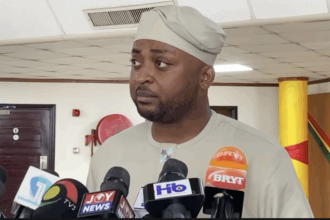
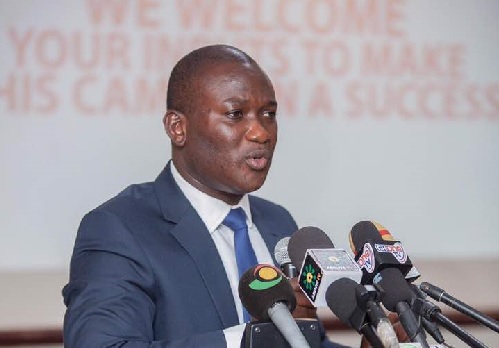
Dr. Fred Kyei Asamoah, MP for Offinso North and a member of Parliament’s Education Committee, voiced the Minority’s deep concern during a media briefing in Accra.
“Many students are paying rent from their own pockets under dire conditions. Some in the UK and Eastern Europe are skipping meals. These are not isolated cases,” he stated.
The consequences are severe. Students could lose academic years, forfeit visas, and suffer long-term setbacks to their careers. Ghana also risks damaging its global reputation and straining future educational partnerships.
Dr. Asamoah appealed directly to the Presidency, the Scholarships Secretariat, and the Ministry of Education to take swift action by initiating immediate payments, engaging with affected institutions and restoring clear communication and accountability
The crisis has sparked widespread concern among students and the public. In June 2025, the Coalition of Ghana Scholars Abroad suspended a planned protest due to “undue pressure” from Ghanaian embassies. Reports from Hungary and Morocco cite allowance delays of up to 11 months.
While the total number of government-sponsored students is unclear, host country data shows thousands of Ghanaians studying abroad, many relying on these scholarships.
In 2024, over 13,000 were in Canada and nearly 15,000 in the U.S.
This isn’t a new issue.
In 2017, the government reportedly inherited a $57.5 million scholarship debt, underscoring the systemic nature of the problem across administrations.
With students’ futures hanging in the balance, the government is under mounting pressure to act swiftly and decisively to prevent a full-scale academic and diplomatic crisis.