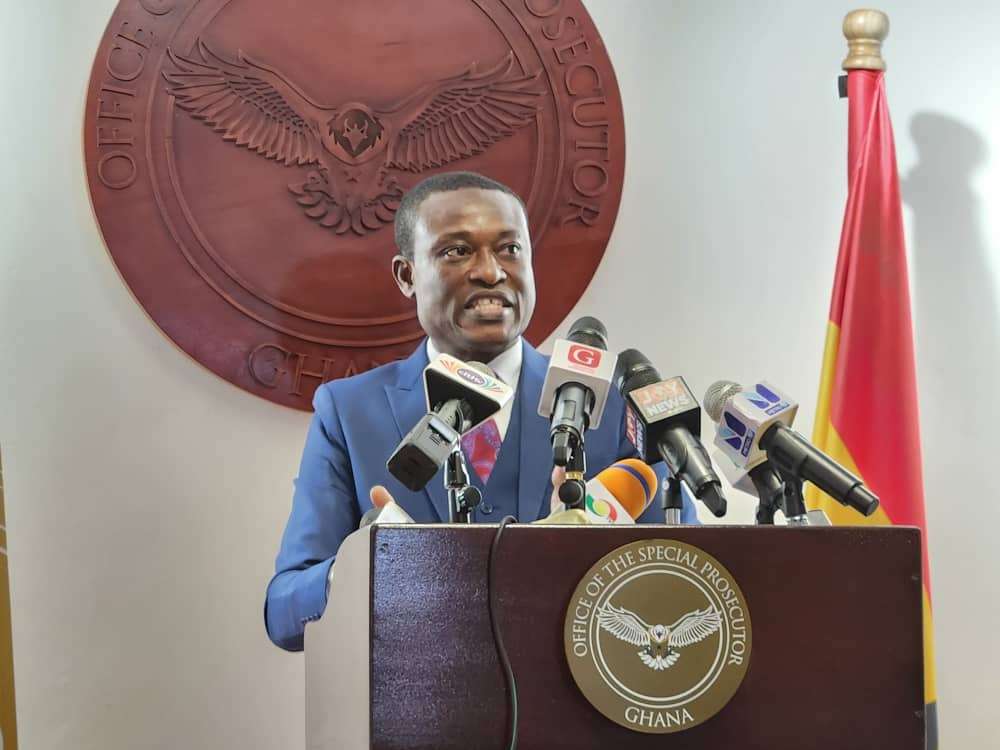
Special Prosecutor Kissi Agyebeng has called for a fundamental shift in Ghana’s fight against corruption.
He is urging a move away from imported theoretical models toward a more practical, homegrown approach rooted in the country’s socio-cultural realities.
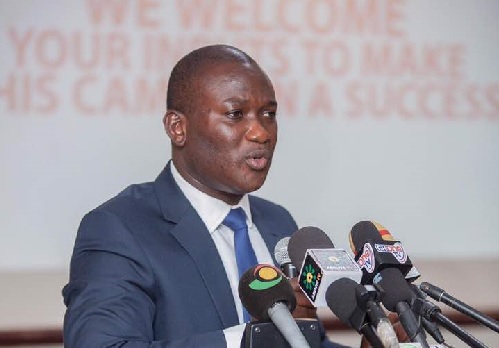
Speaking at the opening of the West Africa Regional Anti-Corruption Policy Dialogue at the Alisa Hotel in Accra, Mr. Agyebeng noted that Ghana’s current anti-corruption frameworks often fail because they are disconnected from the lived experiences of ordinary citizens.
“Theories don’t work in practice the way we expect. Corrupt actors are getting more sophisticated, and we cannot continue down the same path,” he said.
Mr. Agyebeng called for a re-imagining of anti-corruption efforts, one that ties the fight directly to critical development goals such as education, healthcare, and infrastructure delivery.
“If we reframe the fight against corruption in a way that addresses our specific national challenges, then we can ensure that resources meant for educating girls or treating sick children actually reach them. That is what meaningful anti-corruption looks like,” he emphasised.
As part of this agenda, the Office of the Special Prosecutor (OSP) has formally submitted proposals to the Constitutional Review Committee.
These include a recommendation for a dedicated chapter in the national constitution focused solely on anti-corruption measures.
“We are pushing for constitutional reforms, including a clear definition of what corruption is. It’s time we moved beyond vague descriptions to establish a firm legal and moral framework,” Mr. Agyebeng explained.
He expressed concern that many Ghanaians still perceive corruption in overly simplistic terms, lacking a deeper understanding of its systemic roots and broader societal impact.
Mr. Agyebeng argued that embedding anti-corruption into the constitution would be a powerful signal of national intent.
The regional dialogue brought together leading anti-corruption advocates, civil society groups, and policymakers from across West Africa to develop more effective, collaborative strategies for curbing corruption in the region.