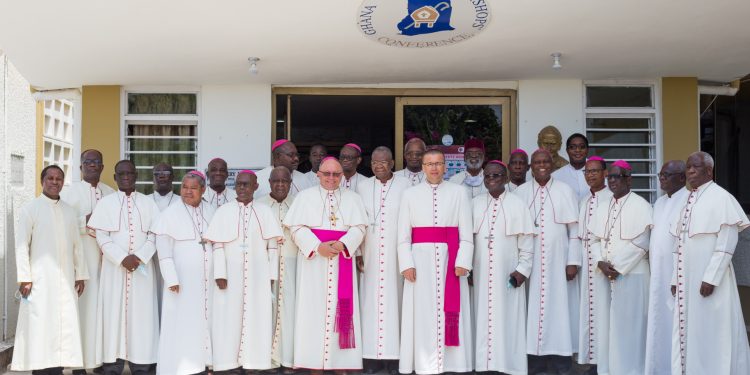
The Catholic Bishops Conference (GCBC) has threatened to punish the governing New Patriotic Party (NPP) in the 2024 elections if President Akufo-Addo refuses to sign the anti-LGBTQ+ bill into law.
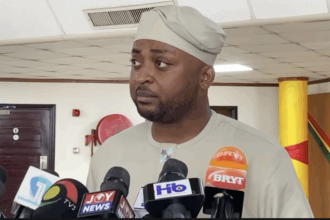
According to the Secretary General of the Catholic Bishops Conference, Very Rev. Fr. Clement Kwasi Adjei, though concerns over whether or not to incarcerate suspects are welcome, “it doesn’t mean that the LGBTQ activities, we should support it.”
“We will speak and continue to keep speaking against what we think is wrong. If the President refuses to sign, and you know the implications for him [Nana Akufo-Addo] and his party, [I’m referring to] elections, voting… these things must not be hidden. We work in the villages, and people are listening,” he said.
His comments follow warnings by the United States of dire implications for the Ghanaian economy after Parliament enacted a Proper Human Sexual Rights and Ghanaian Family Values Bill.
Some human rights groups in Ghana have threatened to head to the Supreme Court if President Akufo-Addo assented to the Proper Human Sexual Rights and Ghanaian Family Values Bill passed on Wednesday.
On the back of all these, the Finance Ministry urges the President to engage stakeholders, including faith-based organizations, to communicate the bill’s implications.
The ministry believes approval of the bill might compromise Ghana’s chances of receiving GH₵3.8 billion from the World Bank.
In a 5-page document, the ministry explained that “for 2024, Ghana will lose US$600 million in budget support and US$250 million for the Financial Stability Fund”.
“This will negatively impact Ghana’s foreign exchange reserves and exchange rate stability as these inflows are expected to shore up the country’s reserve position”.
The ministry added that over the next six years, “Ghana is likely to lose US$3.8 billion in World Bank financing.”
Aside from that, the ministry called for effective engagement with conservative countries, including Arab countries and China.
“This could help trigger resources to fill in the potential financing gaps to be created.”