Michael Harry Yamson, the Managing Partner of Ishmael Yamson & Associates, has expressed his concerns over the government’s plan to reintroduce the Import Restriction Bill.
According to him, the government’s approach is not the way to go, highlighting the lack of “trade diplomacy” in pursuing the policy.
He emphasised the importance of engaging key trade partners like China, which supplies 42% of Ghana’s imports, and the World Trade Organization (WTO) to mitigate potential trade conflicts.
The Trade Minister, K.T. Hammond is convinced that measures need to be taken to check the influx of certain commodities.
However, Mr Yamson warns that if the minister successfully imposes an Import license regime, Ghana’s industry will struggle to raise domestic production in the short to medium term.
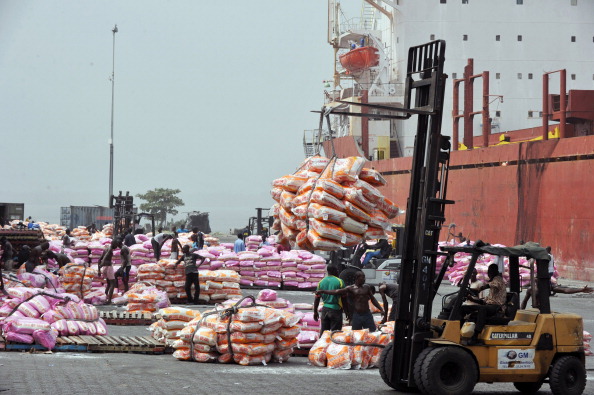
He estimates that rice output would need to rise by 70%, sugar production by 900%, poultry output by over 200%, juice production by 100%, and animal intestines by 300%.
He therefore cautioned that the inevitable shortages that would arise from these measures could negatively impact inflation.
Furthermore, any retaliatory actions from trade partners could adversely affect Ghana’s trade balances, currency stability, and access to budgetary support from key trade partners.
When asked if Ghana needs this policy, Mr Yamson responded, “Not as designed because we do not have the infrastructure to absorb this level of market expansion.”
He suggestted implementing the policy in tandem with significant improvements in infrastructure and providing incentives and subsidies to support supply growth.
Expressing concern about unforeseen consequences, Mr. Yamson warned that unpreparedness for potential shifts in consumer preferences could create an “illicit economy.”
He also raised concerns about the potential for increased corruption and political patronage under the license regime.
Mr Yamson therefore advocated for a well-managed, gradual transition and suggested several measures to support industries and manufacturing firms in Ghana. These include reducing high taxes and tariffs on raw material imports and utilities, rewarding investors, and supporting them to shift to off-grid cleaner energy solutions and technologies to boost productivity.
In his final remarks, Mr Yamson said while the intention behind the Import Restriction Bill is to protect local industries, it is crucial to consider its potential impact on trade relations, domestic production, and the economy at large.
He advised that a balanced and gradual approach, coupled with infrastructural development and industry support, would be the key to achieving sustainable growth in Ghana’s economy.