
The BBC has been allowed to resume its operations in Burundi, three years after it was banned from the country.
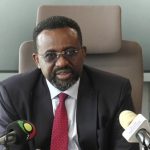
Burundi’s media authority – the National Communications Council (CNC) – made the announcement after a meeting on Wednesday in the commercial city of Bujumbura.
The BBC had its licence withdrawn on 29 March 2019 – and no reporter was allowed to work for or pass information on to the broadcaster.
It followed BBC reports that it said had damaged the reputation of the government of the late President Pierre Nkunrunziza – in particular an investigation into alleged secret torture sites used to silence dissent, which it had dismissed as “fake news”.
At the time of the ban Burundi had 1.3 million BBC viewers and listeners in the country.
The move was condemned by rights groups – Amnesty International said it formed part of “brazen efforts by the Burundian authorities to silence the media”.
CNC boss Vestine Nahimana told the press briefing the council took the decision to allow BBC radio to start operating immediately after a request from the broadcaster.
She explained that President Évariste Ndayishimiye had initiated the easing of restrictions on sanctioned news outlets.
The current president, who is Mr Nkunrunziza’s chosen successor, came to power after winning elections in 2020 – a few months earlier than expected as Mr Nkunrunziza died in office.
Since he has been in power, frosty relations with the US and EU have eased. Sanctions were lifted in February after what Washington called “significantly decreased violence” and some political reforms.